Meaningful gifts
How can you celebrate a child’s last treatment?
Ideas for celebrating a child's last treatment: bell ringing, cards from the care team, a family dinner, a keepsake, and how to handle mixed feelings after.

The short answer
Many families mark the last treatment with a bell ringing or certificate at the clinic, a small party with the care team, a favorite meal at home, and a keepsake such as a bead strand, photo book or illustrated story. Keep it sized to your child’s energy, and expect mixed feelings.
Families often celebrate a child's last treatment with a bell ringing or certificate at the clinic, thank-you moments with nurses and doctors, a favorite meal or small party at home, and a keepsake that records the journey. The best plan fits your child's energy that day, which may be low, and leaves room for feelings that aren't all happy.
Key takeaways
- Ask the clinic what they usually do; many have a bell, certificate or song.
- Plan a quiet day; celebrations can wait until energy returns.
- Siblings deserve a role and recognition too.
- Relief, fear of relapse and sadness about leaving the team can all show up.
At the clinic or hospital
- Ring the bell. Many oncology and infusion centers have a bell for last treatments. Ask ahead whether your child can invite family.
- Certificate or diploma. Some child life teams make a "graduation" certificate.
- Bead strands. Programs such as bravery beads give a bead for each procedure; finishing the strand is a ceremony in itself.
- Cards for the team. Have your child draw pictures for the nurses who knew them best.
- Photos. Ask a nurse to take a picture of your child with the team.
At home
- A favorite meal, even if it's pancakes for dinner.
- A banner made by siblings.
- A movie night with blankets on the floor.
- A video call with grandparents who couldn't visit often.
- A drive past places your child missed, like the playground or school.
When your child feels well enough
Many families wait weeks or months for a bigger event, after counts recover and the doctor approves crowds:
- A party with friends from school.
- A trip to a zoo, beach or theme park.
- A family "first" your child chose during treatment.
- Planting a tree or garden.
Keepsakes
- A photo book of the treatment year.
- A jar of notes from people who supported you.
- A memory box with hospital bracelets, bead strands and cards.
- A personalized story about finishing.
Including siblings
Brothers and sisters often spent months with less attention. Give them a job, like ringing the bell together or making the banner, and a small gift of their own. Thank them out loud.
Mixed feelings are normal
The end of treatment can feel strange. The structure of clinic visits disappears. Parents often describe fear that the illness will return, and children may miss the nurses or the attention. Some teens feel pressure to be "back to normal" right away. Talk about these feelings and ask your team about survivorship programs.
Follow-up care
The National Cancer Institute notes that children treated for cancer need long-term follow-up to watch for late effects of treatment. Celebrating the end of active treatment doesn't mean the end of appointments. Explaining that ahead can prevent disappointment.
Planning tips
- Confirm the date with your team; schedules can shift.
- Bring snacks and a change of clothes.
- Keep guests few at the clinic; space is limited and other children are still in treatment.
- Be mindful of families nearby who aren't finishing.
For children with other long illnesses
Bells and celebrations aren't only for cancer. Families mark the end of dialysis courses, long IV antibiotics, physical therapy programs and NICU stays. Adapt any of these ideas.
A simple plan for the last day
- Before: ask your child what they want. Some want balloons and a sign; others want to leave quickly and go for pancakes.
- At the clinic: tell the nurses ahead of time if you'd like to ring a bell or take a photo, so they can be there.
- After: have one small, certain treat planned (a favorite meal, a movie at home) in case energy is low.
- Later: save the bigger party for when your child has recovered strength and their doctors say gatherings are fine.
Thanking the care team
Many families want to thank the nurses, doctors, child life specialists and front-desk staff who became part of their lives. Ideas that teams appreciate:
- A card with a photo of your child and a note in their own words.
- A drawing your child made for the unit's wall.
- A group photo with the team, if they're willing.
- A short update months later on how your child is doing. Teams rarely hear how the story continues.
Check hospital rules before bringing food.
Words for siblings and friends
Siblings often carried their own load during treatment. A small gift for them on the same day, and a sentence that names their part ("You helped so much by being patient"), keeps the celebration from feeling one-sided.
Common questions
What if my child doesn't want a fuss? Respect it. A quiet dinner can be enough.
Is it okay to celebrate if there's a chance of relapse? Yes. Finishing treatment is an achievement in itself.
Can we celebrate if treatment ended early or changed? Many families still mark the transition, with care for how the child feels.
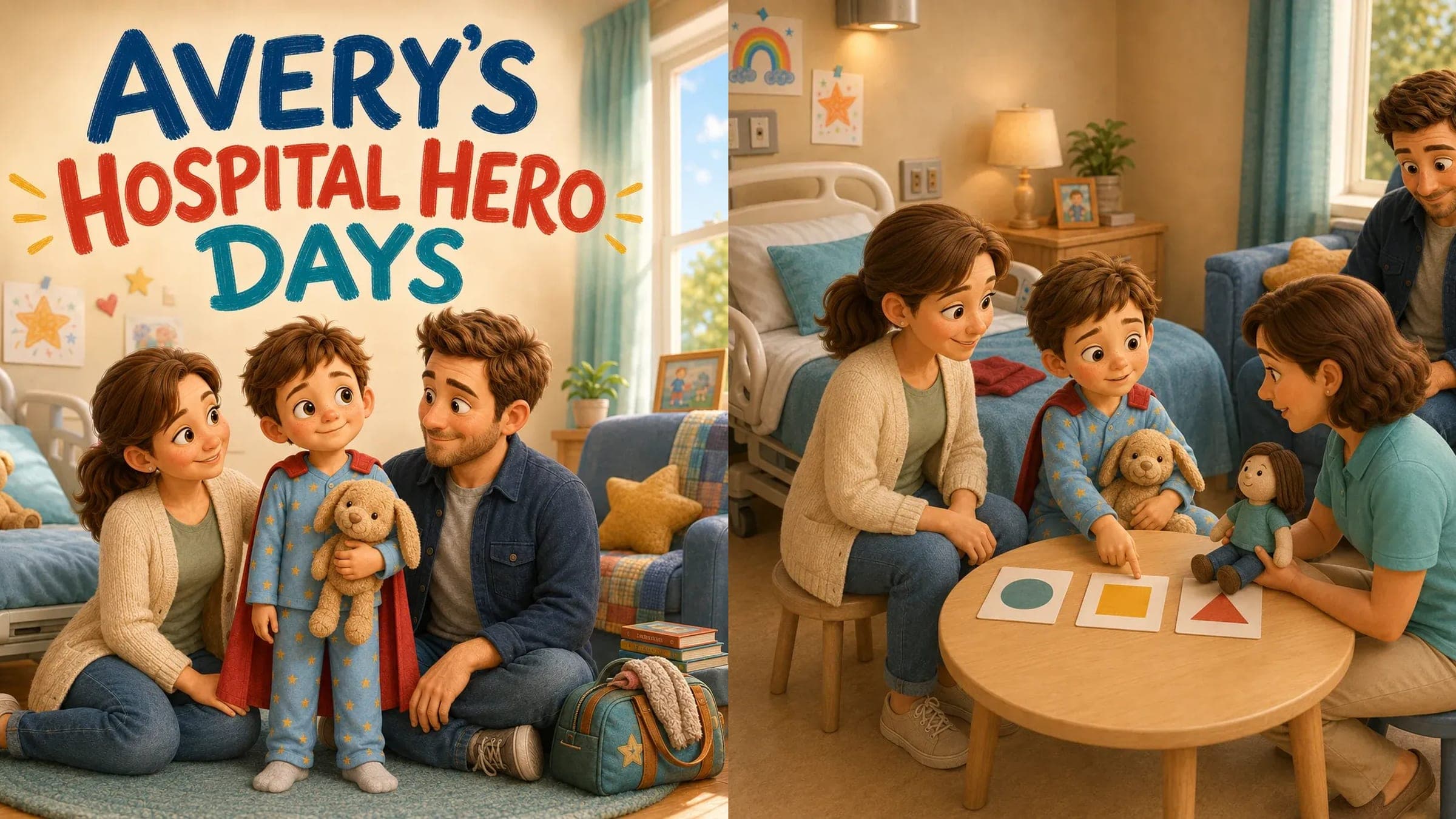
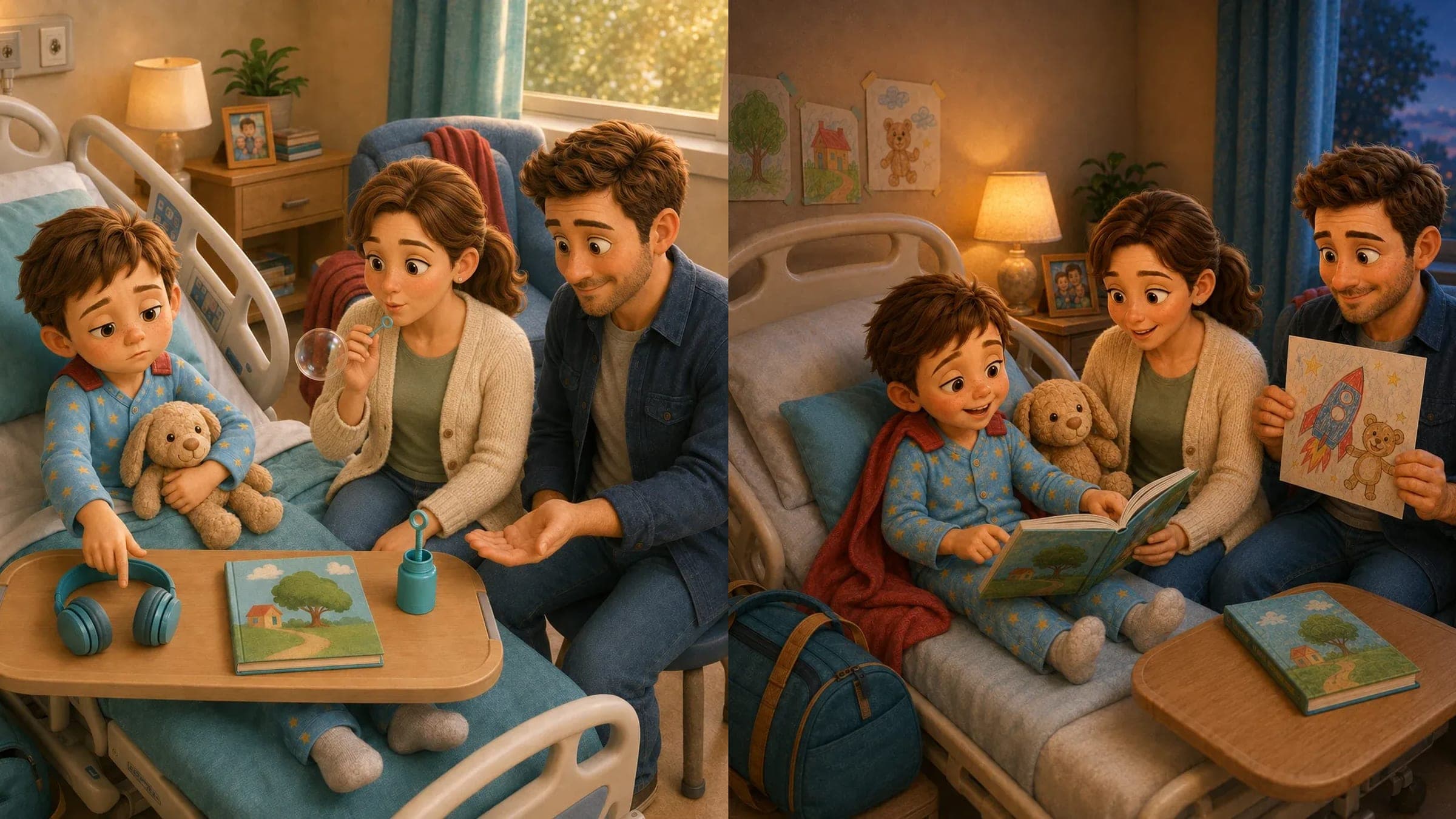
Some families mark the day with a keepsake their child can reread. The last-treatment book turns a photo into an illustrated story about ringing the bell and going home.
If a stay is coming: a story about a stay many families read
Related reading:
Sources
- Cancer in Children and Adolescents, National Cancer Institute, accessed November 4, 2026
- Late Effects of Treatment for Childhood Cancer (PDQ), National Cancer Institute, accessed November 4, 2026
- Child Life, American Academy of Pediatrics, accessed November 4, 2026