Story ideas
How do you treat warts in kids?
Warts in kids: how to tell common, flat, plantar and filiform warts apart, how they spread, safe home care steps, and the signs that mean calling the doctor.
The short answer
Warts are small, rough bumps caused by a virus in the HPV family, and they're common in kids. Many go away on their own, though that can take 6 months to 2 years. At home you can soak the wart, gently file the dead skin with an emery board kept only for that, apply wart medicine and cover it. Call the doctor for any wart on a baby or young child, on the face or genitals, or one that is painful, red, swollen, bleeding or spreading.
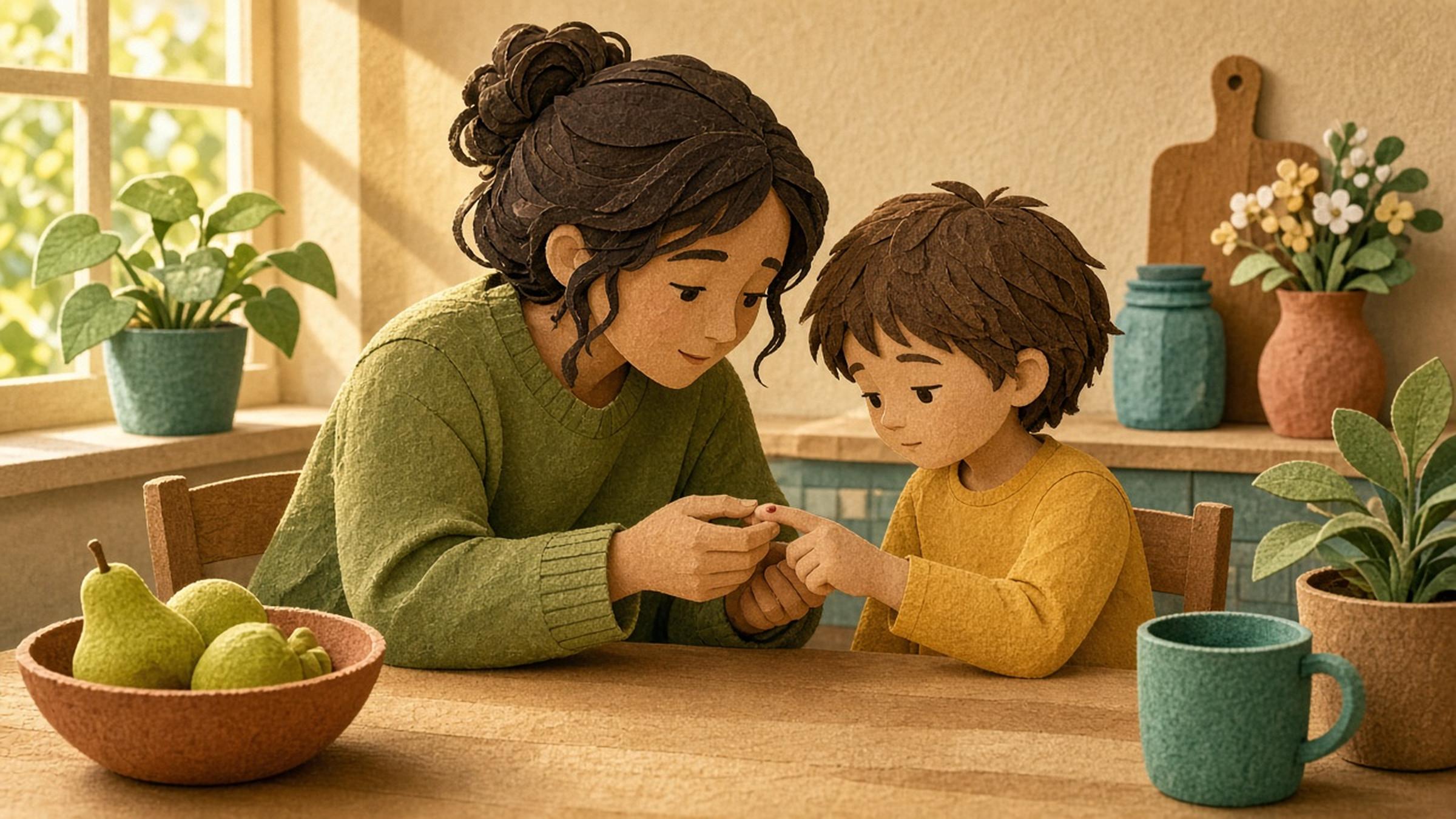
Most warts in kids can be treated at home, or simply left alone, because they're skin bumps caused by a virus and many disappear without treatment. KidsHealth says it can take anywhere from 6 months to 2 years for an untreated wart to go away, and that most warts can be handled at home by soaking, filing and applying wart medicine (What to Do About Warts, accessed November 12, 2026). A few situations call for the doctor, listed below.
What a wart is
Warts are small, firm, rough bumps on the skin. They're common in children and can show up anywhere, though KidsHealth notes they're often seen around the fingernails, on the feet, on the face and near the knees (Warts, accessed November 12, 2026). They can be flesh-colored, lighter or darker than the skin around them. Some have tiny black dots inside, which are clotted blood vessels, not "seeds."
All warts are caused by infection with a virus from the human papillomavirus (HPV) family. There are many types of HPV. KidsHealth explains that the types causing warts on hands, knees and feet are different from the types that cause genital warts.
The four kinds parents see most
| Type | What it looks like | Where it shows up |
|---|---|---|
| Common wart | Small, hard, dome-shaped bump with a rough, cauliflower-like surface | Fingers, hands, knees, elbows, cuts and scratches; sometimes inside the mouth |
| Flat wart | About the size of a pinhead, smoother, with a flat top; may come in clusters | Most often the face, but can be anywhere |
| Plantar wart | Flatter, pressed inward by walking; can feel like stepping on a small stone; sometimes mistaken for a callus | Bottom of the foot |
| Filiform wart | Finger-like shape, usually flesh-colored | On or around the mouth, eyes or nose |
Descriptions follow KidsHealth's guide to warts. Most warts don't hurt, but ones on the soles of the feet, or that get bumped often, can be painful.
How kids catch them
The virus passes from person to person through close contact, or from touching something a person with a wart touched, like a towel, a bath mat or a shower floor. A wart can take weeks or months to appear after exposure, so you rarely know where it came from.
Some habits raise the odds. KidsHealth says kids who bite their nails or pick at hangnails are at higher risk because they open the skin for the virus, and any small cut or scratch can let it in. Picking at a wart can also spread it to other spots.
Home care, step by step
KidsHealth lays out a simple routine for most warts:
- Soak the wart in warm water for at least 10 minutes. Bath time works well.
- File away dead skin on the surface with an emery board that will never be used for nails. Stay on the wart, not the healthy skin around it.
- Apply wart medicine, over-the-counter or prescription, as the label directs.
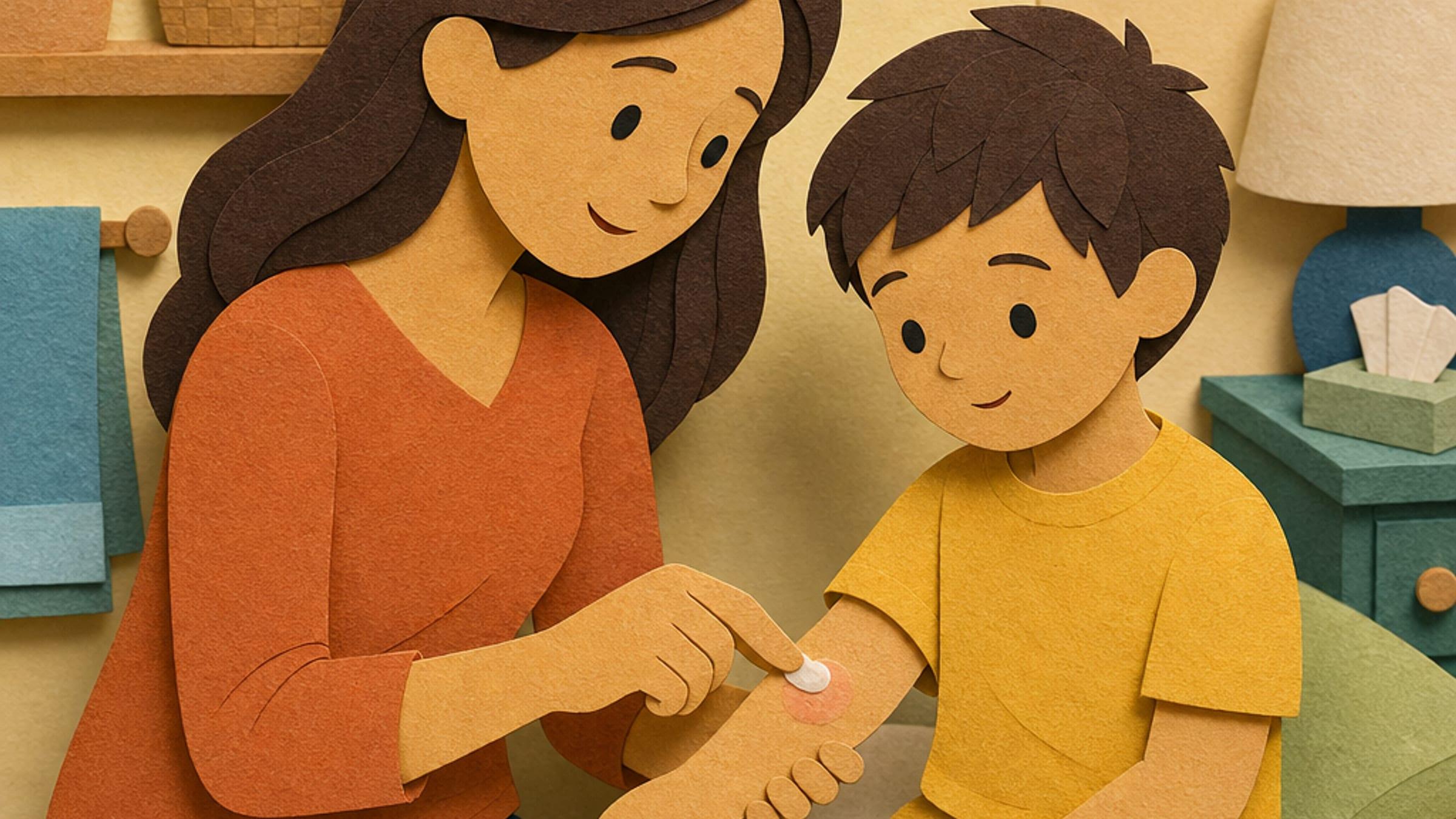
- Cover the area while the medicine works. A small bandage keeps little fingers off it.
- Wash hands after touching the wart.
Be patient. KidsHealth says home treatment can take weeks or months, but eventually the wart should crumble away from healthy skin. It also warns that wart medicines contain strong chemicals that can damage healthy skin, so talk with your doctor before using any over-the-counter wart medicine on the face or genitals. If you've heard of the duct-tape method, KidsHealth suggests asking your doctor whether it's okay for your child.
Helping a child leave it alone
The hardest part is often the picking. A few ideas:
- Keep it covered with a fun bandage so it's out of sight.
- Give busy hands something else: a stress ball, putty, or a fidget toy during screen time or car rides.
- Keep nails short so there's less to pick with.
- Explain simply: "If you scratch it, the bump can move to a new spot."
When to call the doctor
KidsHealth advises calling the doctor if:
- An infant or young child has a wart anywhere on the body.
- A child of any age has a wart on the face, genitals or rectum.
- You're not sure the bump is a wart.
- Warts spread to new places on the body.
- A wart or the skin around it is painful, red, bleeding, swollen or oozing pus.
What a doctor can do
A doctor can remove a wart that hurts, gets in the way of activities, or that your child wants gone. Options KidsHealth lists include prescription medicine, freezing with liquid nitrogen (cryotherapy), burning it off with a light electrical current, laser treatment, and scraping it off with a special tool. Treatment depends on where the wart is and what your child can tolerate, and sometimes doctors combine methods. Office treatment may work faster but can take several visits.
An office treatment can feel new and a little scary, so prepare your child the way you would for any small procedure: say what will happen in plain words, bring a comfort item, and plan a small treat after. Warts can also come back, because HPV can stay in the body for a while, so a return visit isn't a sign anything went wrong.
Preventing warts
You can't always prevent them, because the viruses are so common. KidsHealth's tips:
- Don't share towels, socks or shoes.
- Wash hands and skin often.
- Clean cuts and scratches with soap and water.
- Wear waterproof sandals or flip-flops in public showers, locker rooms and around pools, which also helps prevent athlete's foot.
The American Academy of Pediatrics adds that everyone in the family should use their own towel, and that kids should avoid picking or biting at a wart or touching it to other parts of the body, which can spread it (Warts, HealthyChildren.org, accessed November 12, 2026).
Turning a doctor visit into a story
If wart treatment means a few office visits, a calm retelling can make the next one easier. A personalized book about brave moments at the doctor can walk your child through it. See the hospital book, a story about staying overnight in the hospital, and for a first appointment with a new doctor, a story about getting a shot at the doctor.
Related reading
FAQ
Are warts contagious at school?
They can spread through close contact and shared items like towels. Keep it covered and teach handwashing.
Can I cut a wart off at home?
No. Picking or scratching can spread the virus or infect the wart, and removal tools belong at the doctor's office.
Why do warts come back?
The virus can linger in the skin, so a wart may return even after successful treatment.