
A look inside
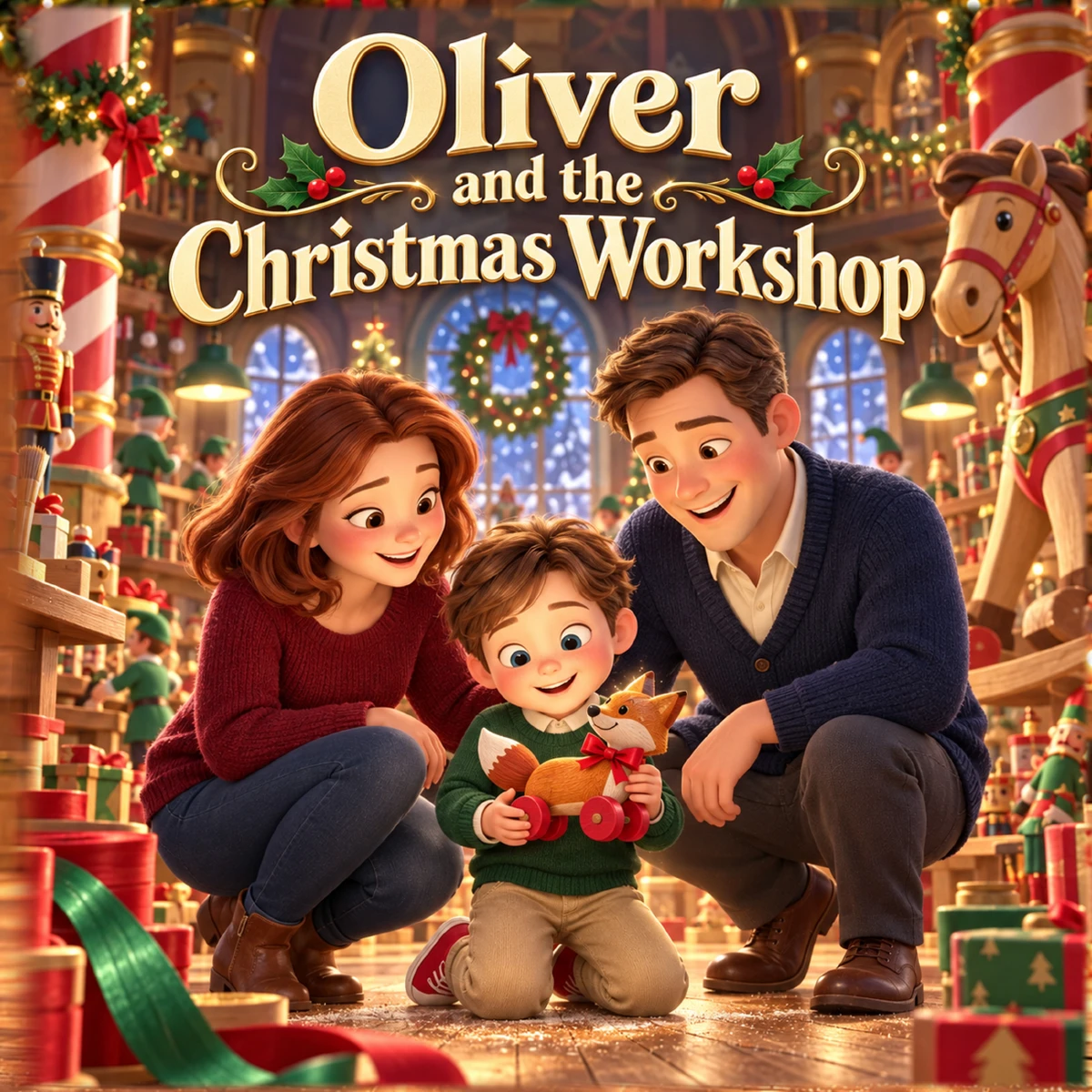
Oliver and the Christmas Workshop
Occasion: Christmas
Shown as Oliver, age band 3-7.
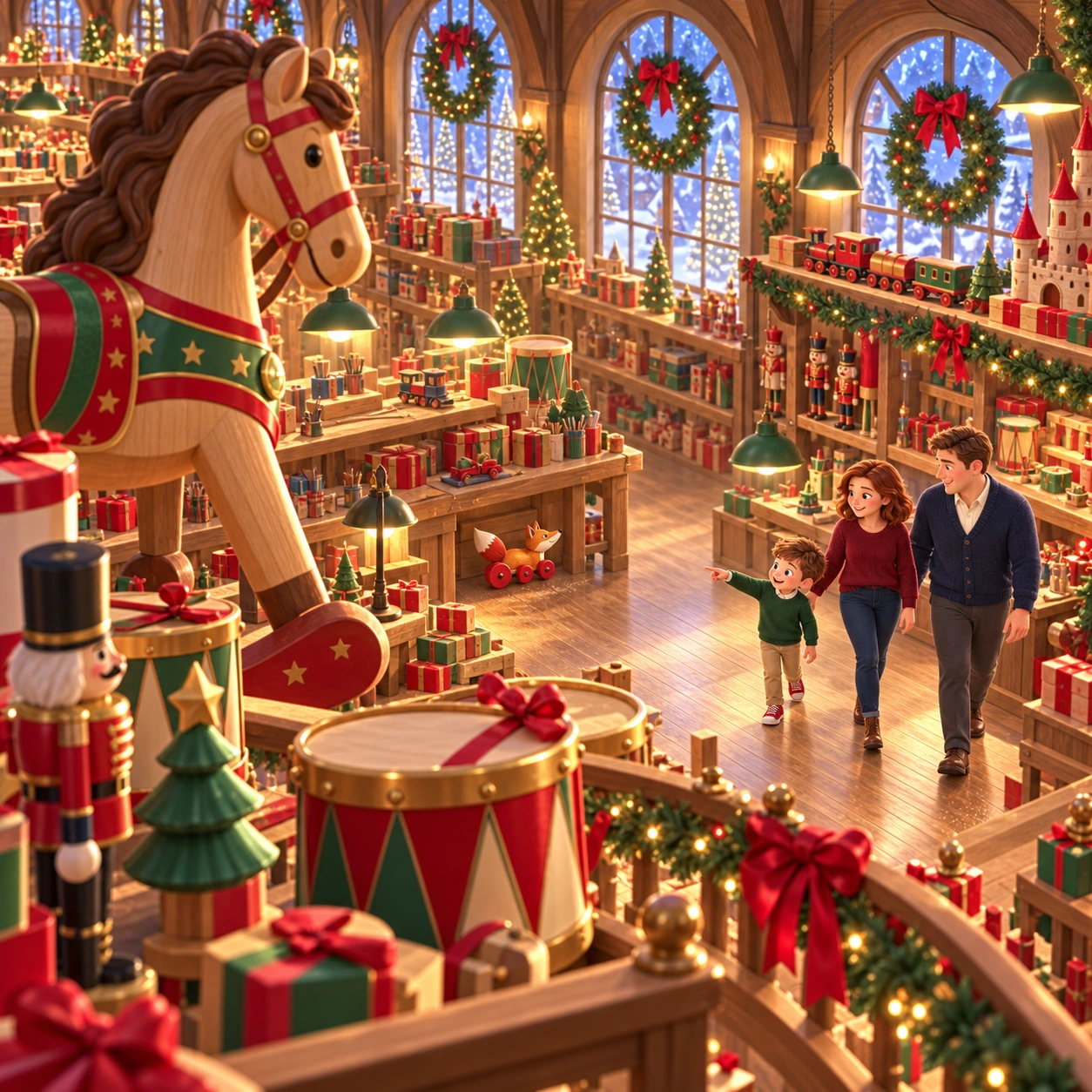
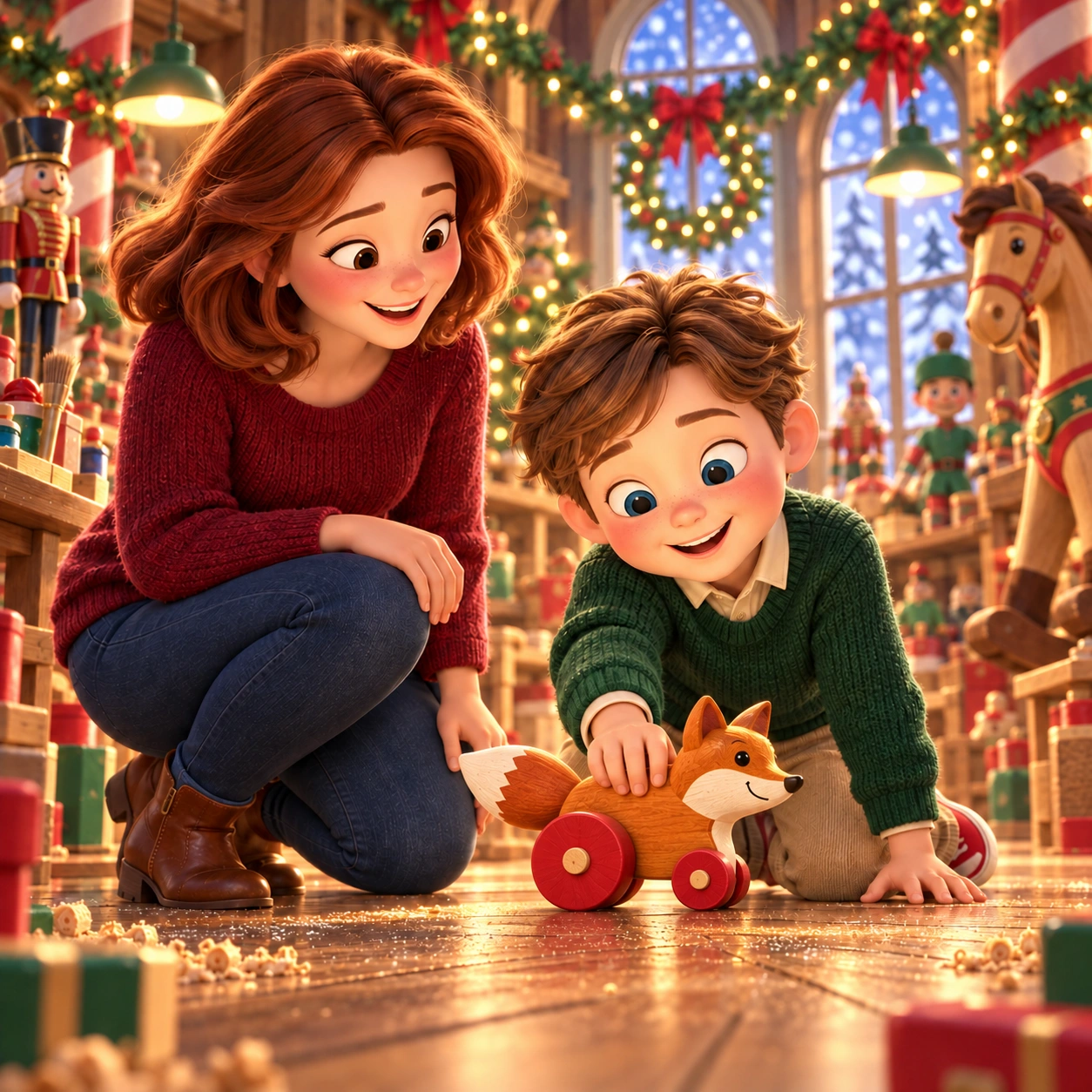
Spread 2
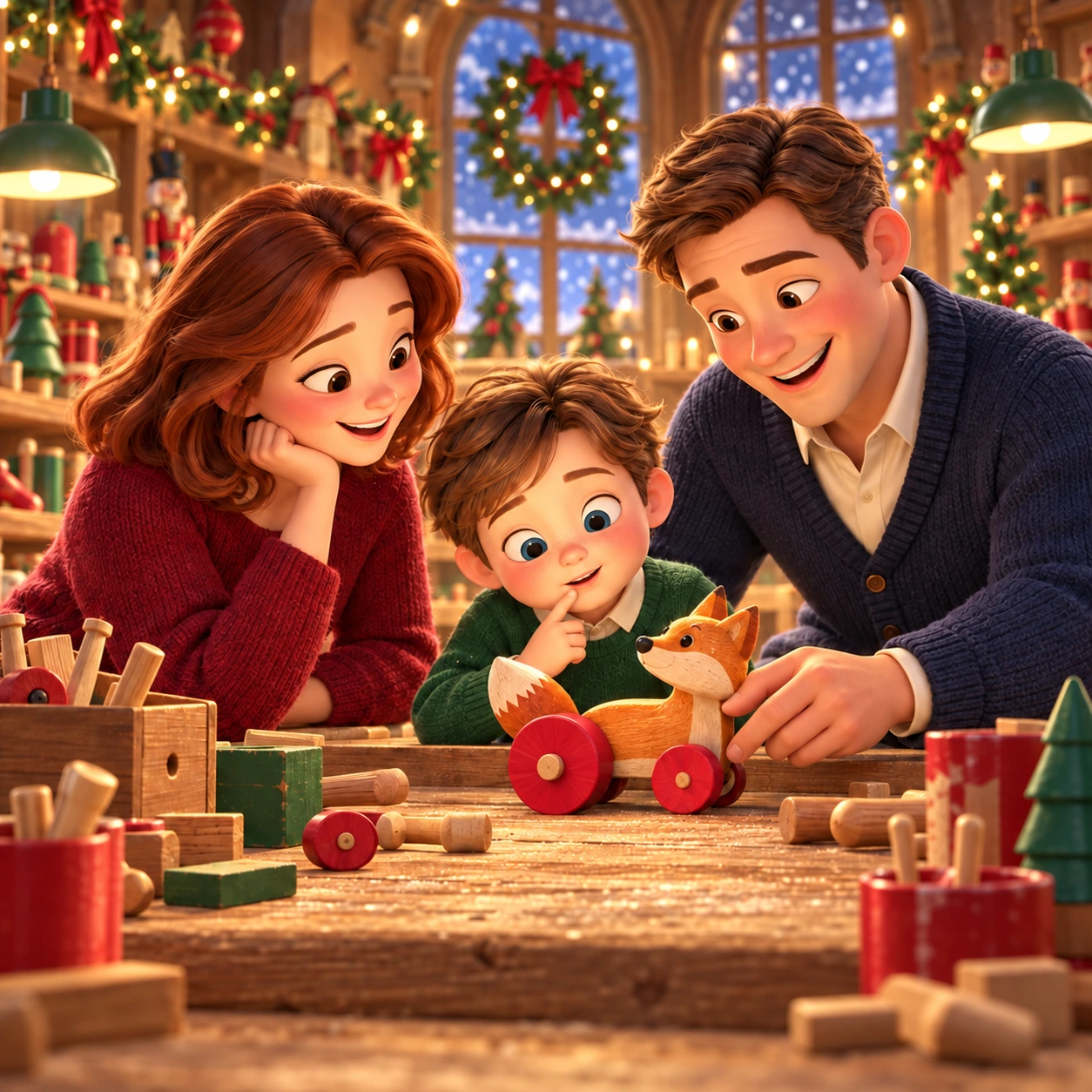
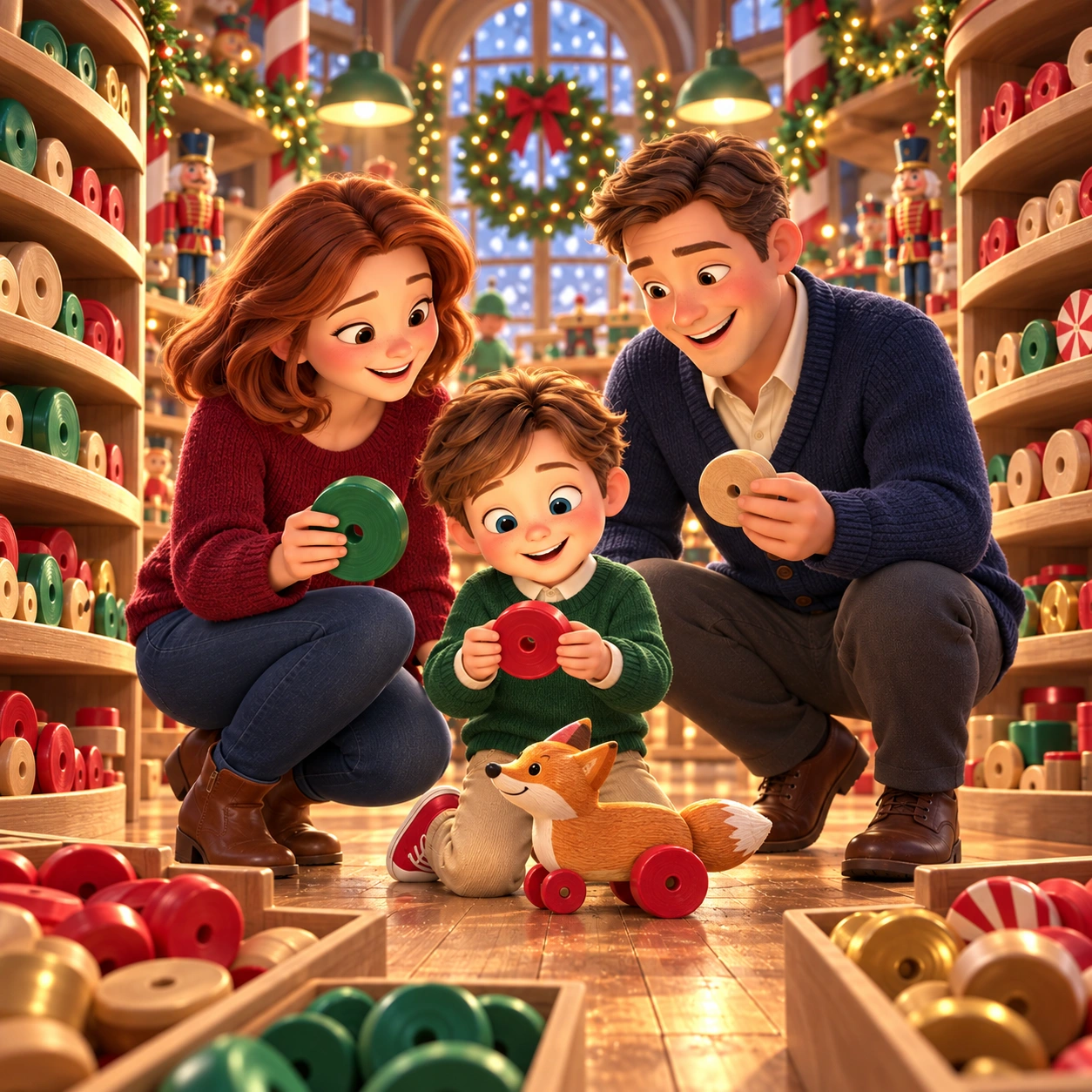
Spread 3
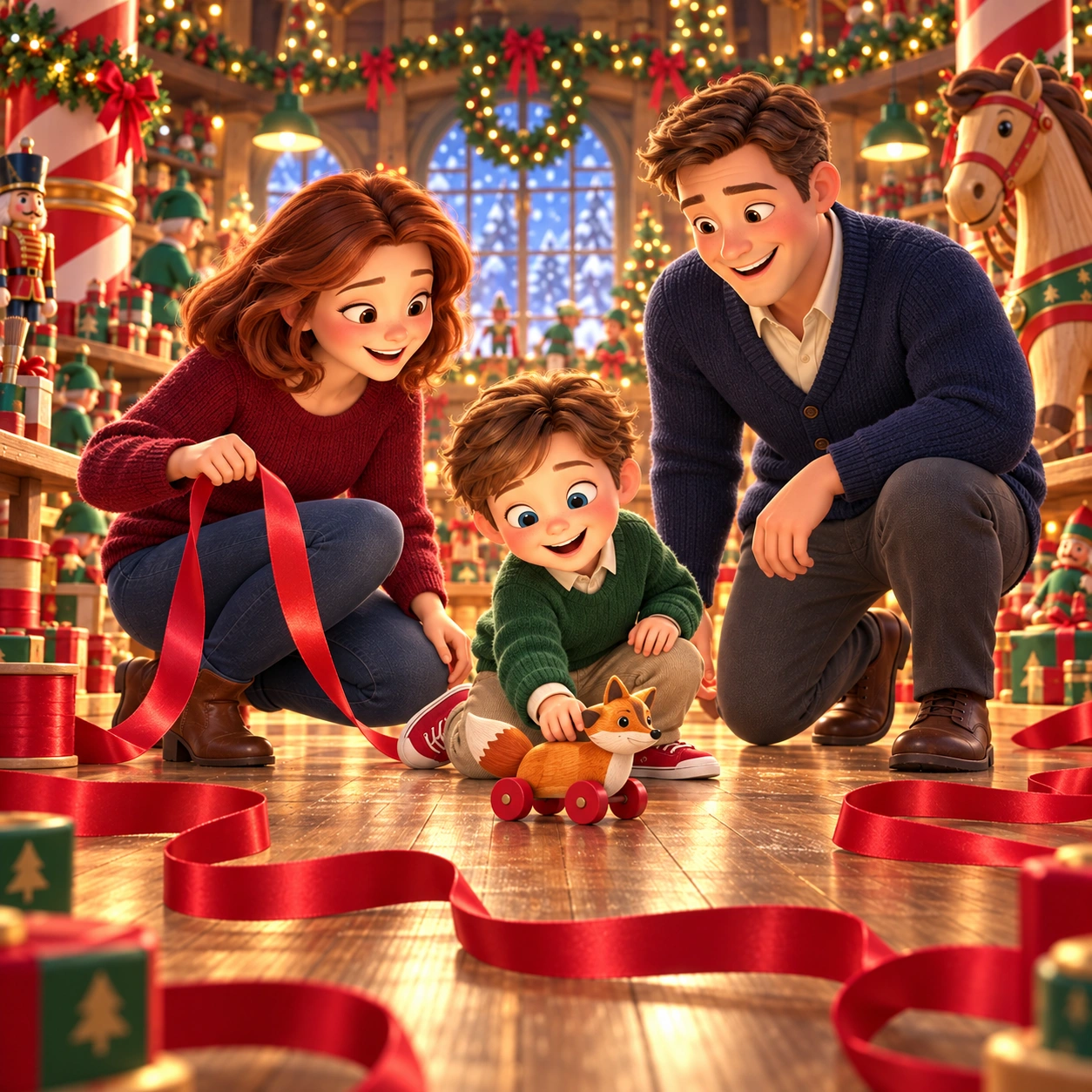
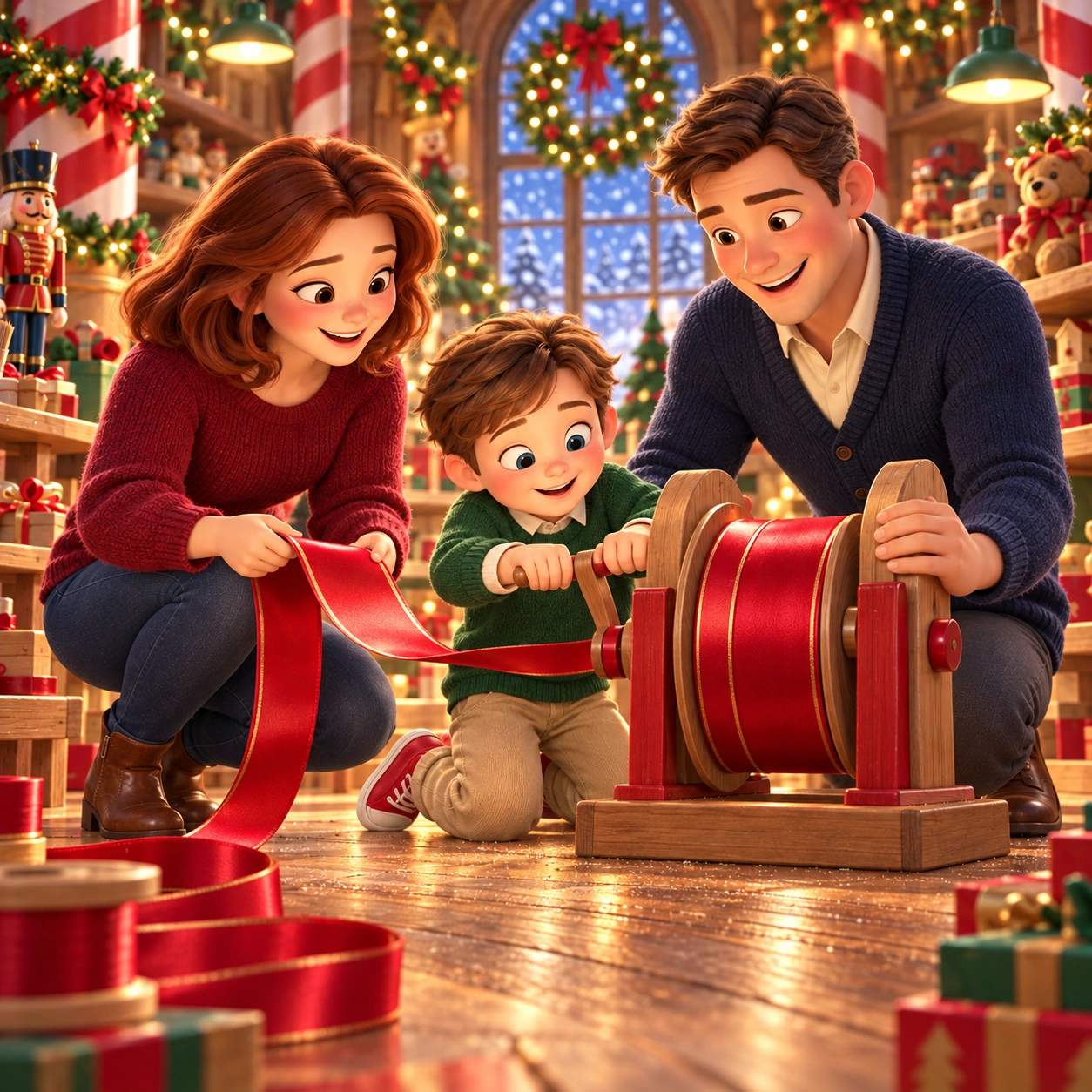
Spread 6
Story excerpt
There were rocking horses taller than Dad and drums as round as tables. Oliver spotted a tiny wooden fox beneath a bench. ‘Hello. What are you doing down there?’ He gave the fox a gentle push. Wibble. Wobble. Stop. One wheel was much too big. ‘You won’t get far like that,’ Oliver said.
These pages come from a made-up family. The book you make uses your names, photos, and the details you share, and its story is written fresh.
Kindergarten rules, names, and pretending
Fairness shows up at five. A spinner race, a matching round, or another short board game lets a kindergartner practice winning and losing. End before patience does, ideally inside twenty minutes. If the timer rings and someone is still arguing, the round was too long.
Building sets and pretend kits still own the floor. Magnetic tiles, a marble run, a stethoscope clinic kit, a toy cash register, a cape and a crown. Kindergartners narrate as they go, so a prop that invites a sentence stays out of the bin through January. A dress-up bin beats one plastic figure.
Many at five can spot a cubby label or a nametag and a few sight words from the recess line. A keepsake that prints that label and draws the face feels like a trick they can show. You still carry the sentences. They point. It is not a workbook.
Skip it for a two-year-old, or for a baby still on the way. It starts at 3. A classmate who is also five needs a separate order and their own snapshot. They join someone else's cast only with that family's permission, and never from a group shot.
Fine-motor presents help the grip handwriting needs: lacing cards, play dough tools, a mosaic of large stickers, chunky beads. A sunrise alarm, a chore row of magnets, and a moon nightlight support the kindergarten schedule. Households often thank you for those more than for anything that flashes.
Kindergarten hands want tools with a result. A hopscotch grid in chalk is gone by rain, so a beanbag and a tambourine last longer indoors. A shaker, a geoboard, and a pegboard let them make a pattern and undo it. A tweezer and an eyedropper, or a pipette if the drop is the fun, build the same grip as a pencil. A sprout on a windowsill, watched daily, beats a toy that does one trick. Unifix-style cubes and a parachute for the gym are the big-body versions. A scarf for dancing and a cubbyhole label they can read are the classroom echoes you can do in a kitchen. Say the phoneme, then the syllable, and stop. That is enough sounding-out for a celebration morning.
On the morning, do hopscotch or the beanbag, not both at once. The tambourine and the shaker come out when sitting still fails. The geoboard and the pegboard stay on the table, with the tweezer beside them. The eyedropper and the pipette need a towel. Check the sprout and say what changed. The parachute needs two adults, so skip it if you are one person. The scarf is the five-minute reset. The cubbyhole practice is pointing at one label. One phoneme, one syllable, then back to the beanbag.
When the room is loud, bag the tambourine and the shaker first. Leave the geoboard and the pegboard set up. Cap the eyedropper and the pipette. The tweezer goes in a cup. The sprout stays out of reach of a grab. Fold the parachute. The scarf hangs. The cubbyhole label stays on the door. Do not start a second phoneme or a second syllable. Hopscotch can wait until outside. The beanbag lives in a basket.
Pack the bag in this order: beanbag, tambourine, shaker, geoboard, pegboard, tweezer, pipette, eyedropper, sprout cup, parachute, scarf, and the cubbyhole label. Hopscotch stays for outside. One phoneme and one syllable are the only sounding-out you planned.
What gets personalized
Type a first name, enter 5, and share one bright front-facing snapshot. Sunglasses, or a hat that hides the hair, make a weak likeness. Dinosaurs, a red sled, or cookie dough give the sentences something a kindergartner recognizes.
Up to three extra people or a pet can come along, each from their own snapshot. Dogs and cats are the pets that can be drawn. A short dedication is optional. You see the likeness before drawing continues. A digital file is included. The range is 3 to 7, and five sits in the middle. In the note, name what they actually touch: phoneme, syllable, hopscotch, beanbag, tambourine, shaker, geoboard, pegboard, tweezer, pipette, eyedropper, sprout, unifix, parachute, scarf, cubbyhole.
Format, price, and timing
Kindergarten calendars fill up fast in December. The cards are the book totals. Production and transit for paper copies live on Pricing. The digital copy is ready the day you approve the proof, and this age guide prints no order-by date.
Prices
Digital book
$15
Total, plus shipping and tax
- Every page illustrated
- Downloadable PDF
Digital + softcover
$35
Total, plus shipping and tax
- Your full custom story
- Every page illustrated
- Shipping shown before payment
Digital + hardcover
$45
Total, plus shipping and tax
- Everything in Softcover
- Durable hardcover binding
- Gift-ready finish
- Shipping shown before payment
Pricing shows these same totals.
Questions
Which present matches kindergarten play?
A short spinner board game, a building set, or a pretend kit they will narrate. The keepsake, with their label in it, pairs with any of those.
Is five too young for a face in the art?
No. The range is 3 to 7, and five sits in the middle. Kindergartners often find their label and then hand the reading back.
Can a dog be drawn?
Yes, from the dog's own snapshot. Cats work the same way. Other animals are not drawn.
Will a printed book arrive for Christmas?
Christmas order-by dates are published on the pricing page when they are visible there. Until then, use the production time in the format section below.