
A look inside
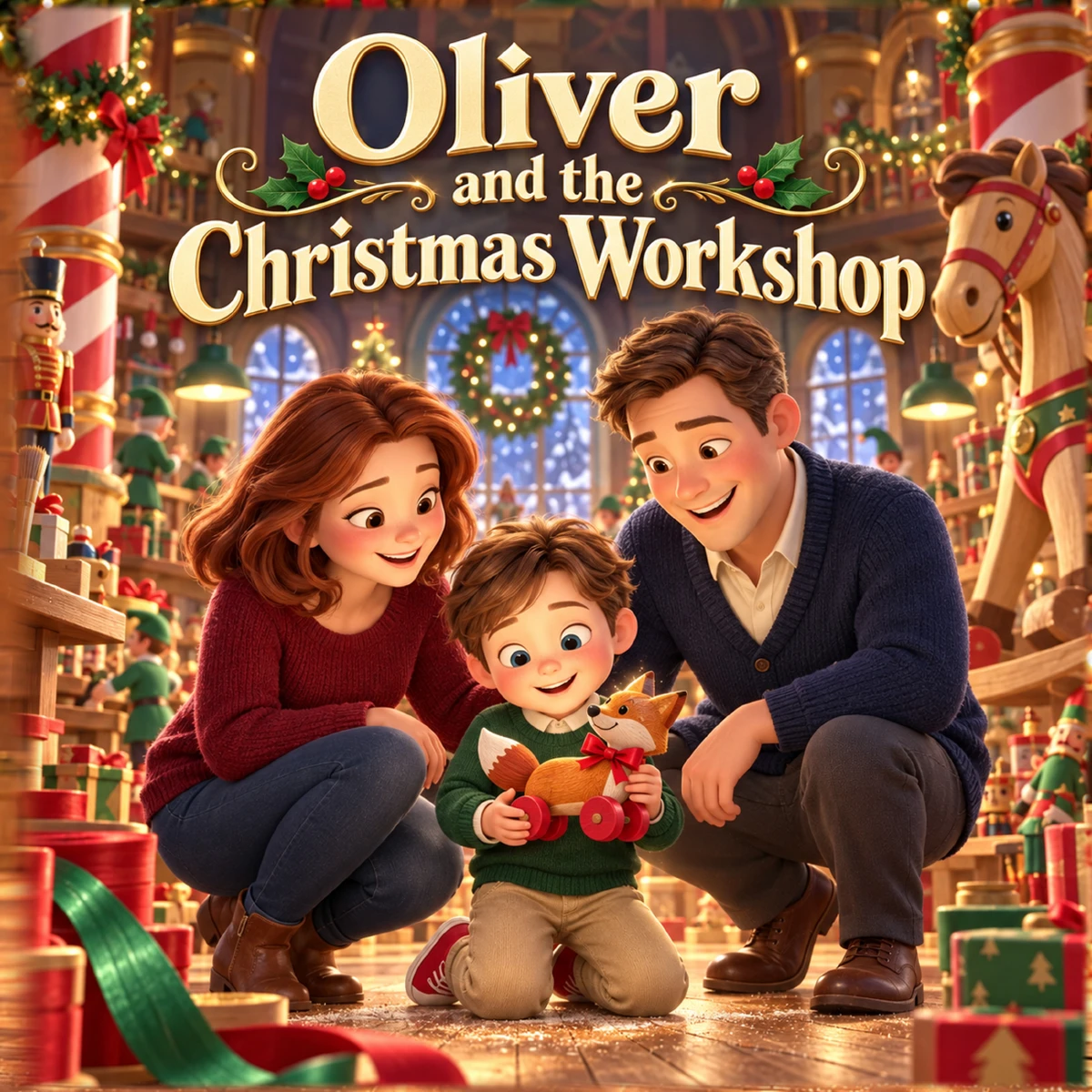
Oliver and the Christmas Workshop
Occasion: Christmas
Shown as Oliver, age band 3-7.
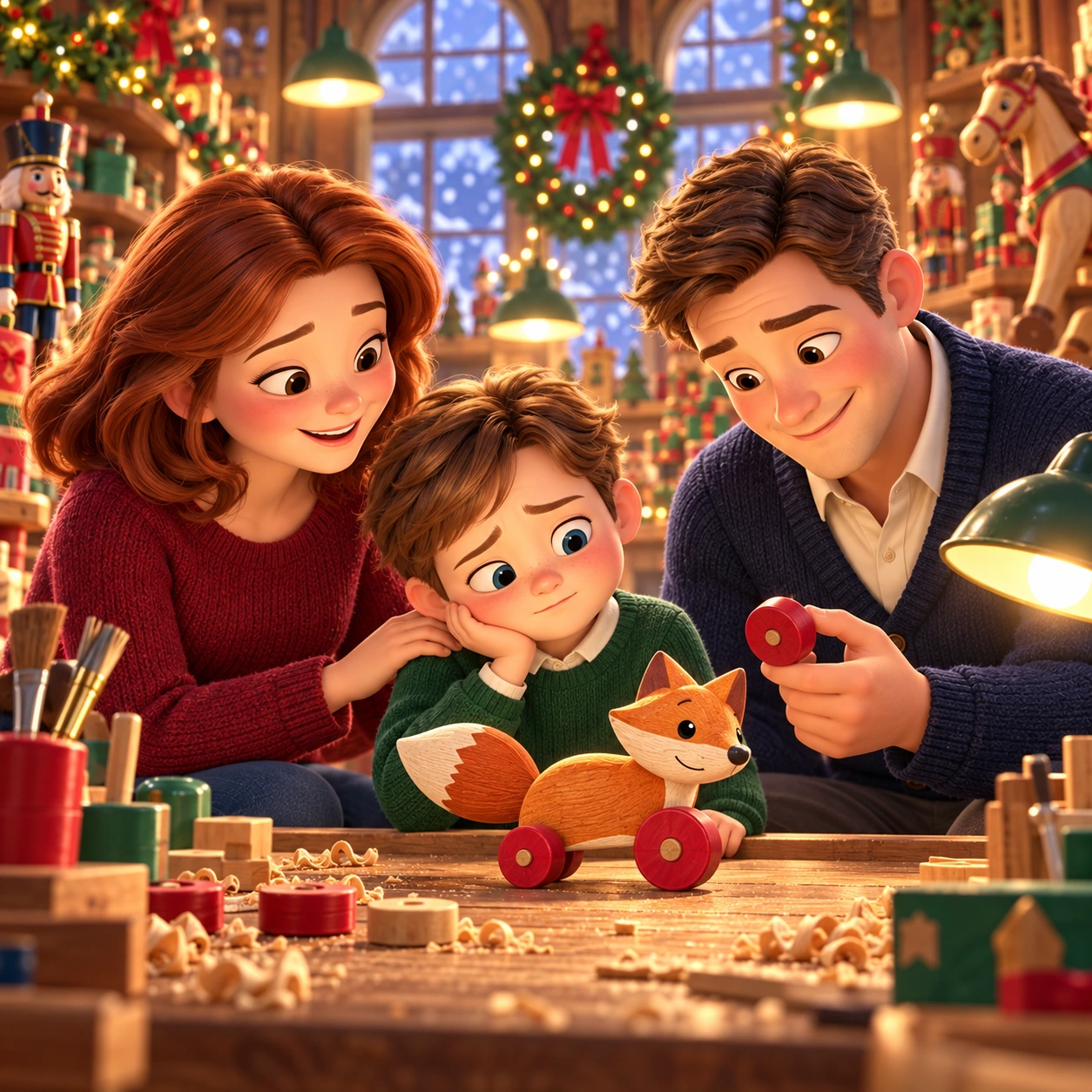
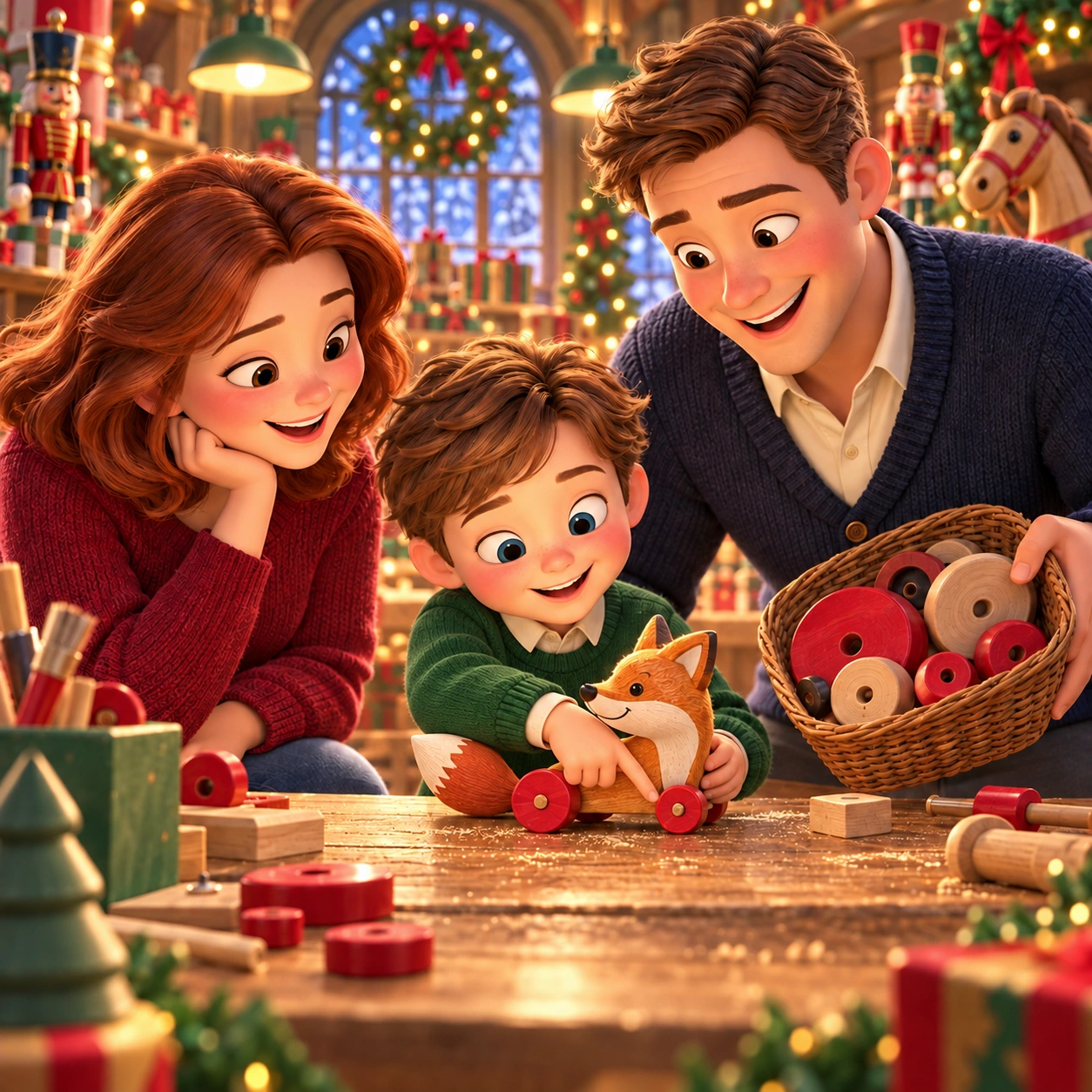
Spread 4
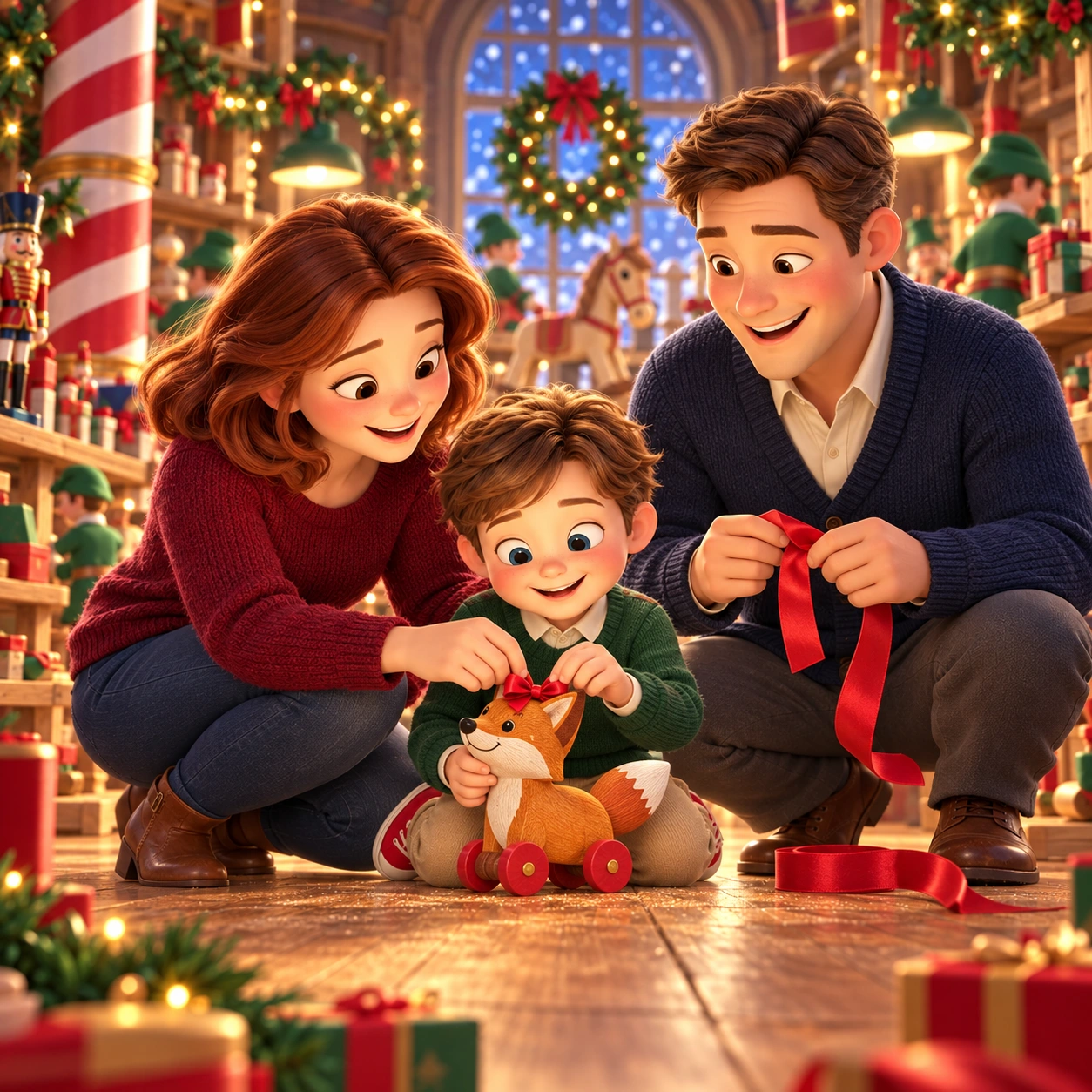
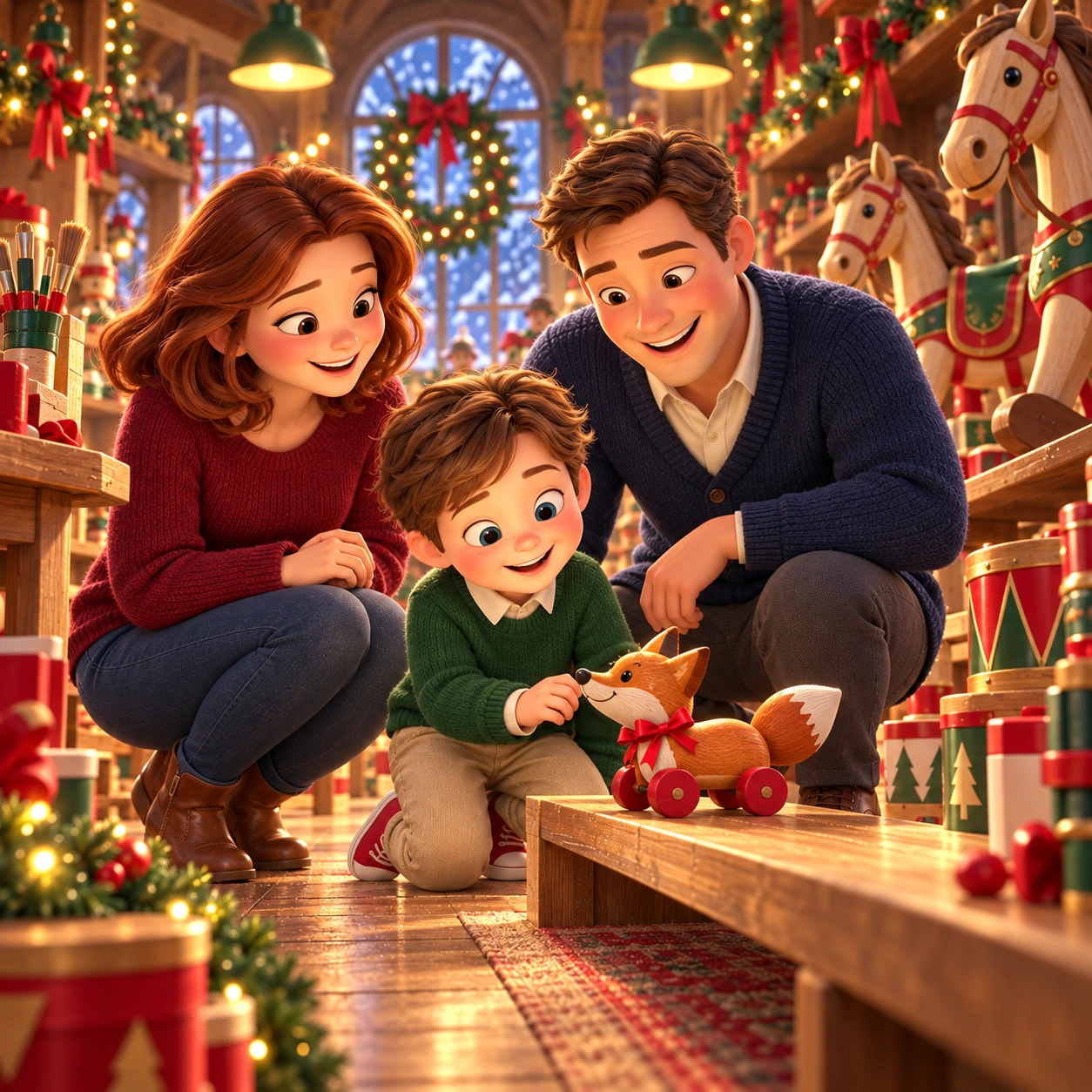
Spread 7
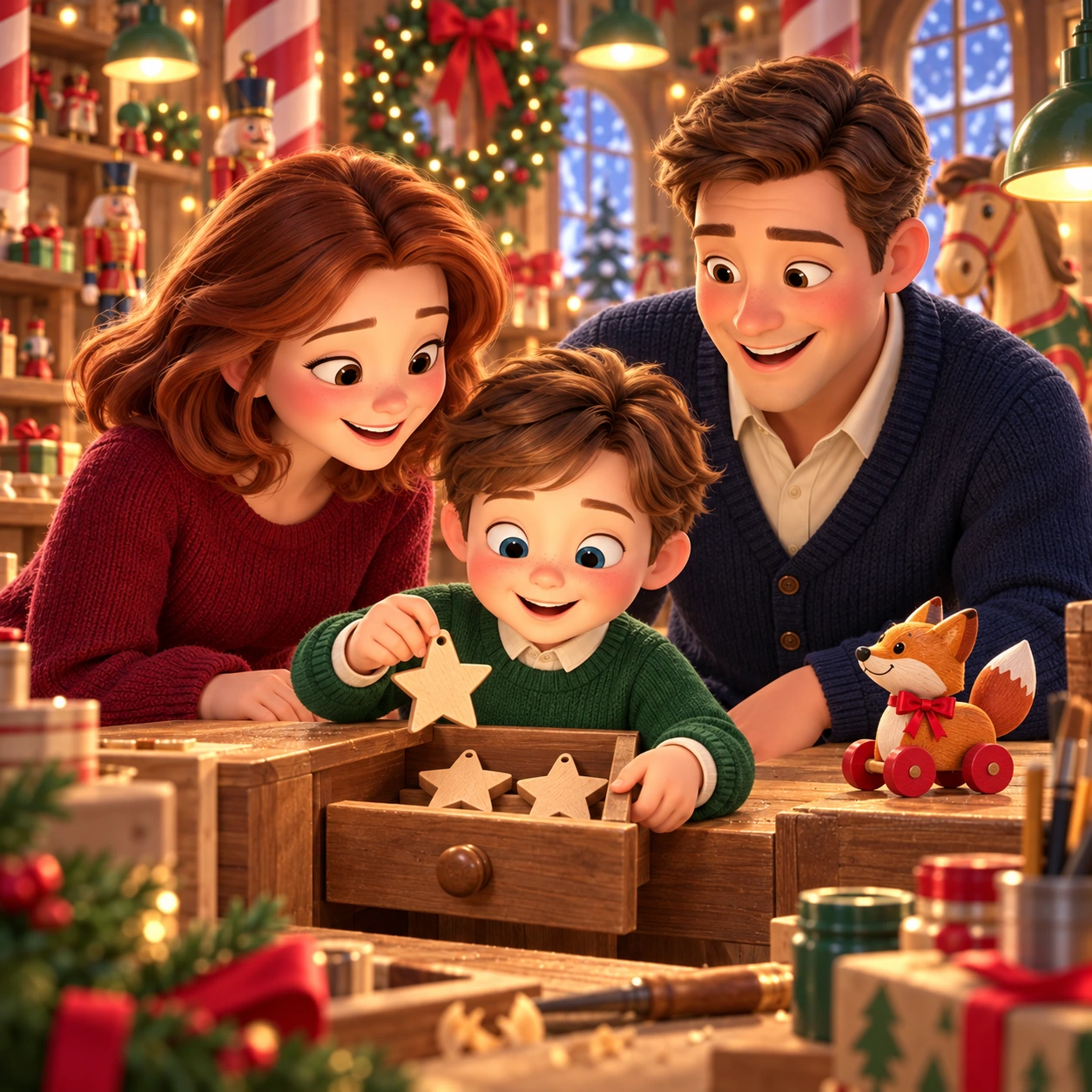
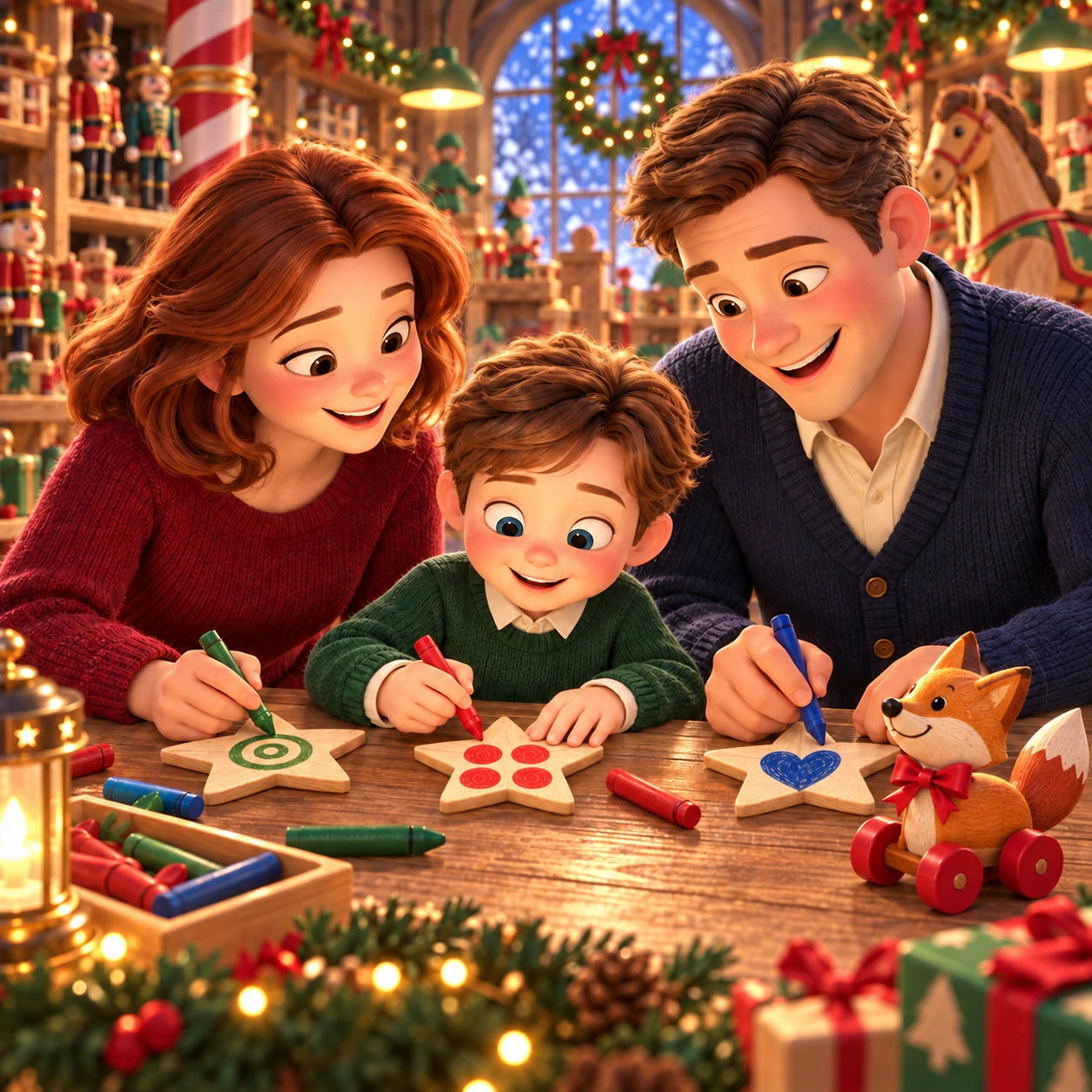
Spread 8
Story excerpt
The new wheel fitted—but the fox leaned sideways. Oliver’s smile slipped. ‘Not quite,’ said Mom. ‘We can try another way.’ Oliver looked at the fox’s other wheels. He traced one with his finger. ‘We need one like these!’ Dad brought the little wheel basket closer.
These pages come from a made-up family. The book you make uses your names, photos, and the details you share, and its story is written fresh.
First grade and the why questions
Science kits with a finish line suit six. A crystal jar on the windowsill, snap-together circuit tiles, or a birdfeeder they assemble gives them an object to point at. Pick kits whose pictures let them lead. An adult steps in only for a sharp edge or a hot step. Art supplies belong here too: a tray of paint they finish without you holding the brush.
Outdoor gear burns energy on the break: a kite on a windy afternoon, a sled, walkie-talkies across the yard, a helmet if they already ride. Collecting starts now. A tumbler jar for rocks and shells, or a binder for cards, can matter more than a noisy carton.
Early chapter books split the room. Some sound out a page alone. Others still want a lap. The read-aloud works for both, because the listener can catch a familiar word while you carry the sentences. It is not a phonics lesson.
Bodies change in public: a loose tooth, a team, a night on a friend's floor. A tooth pillow with a pocket, an analog watch for the clock face, or a sleeping bag for that floor nods at the change. A lunchbox they picked is a practical win.
Curiosity is the theme. Expect a volcano, a shark, a planet, a skeleton, and why the toilet flushes. A kid encyclopedia, a globe that lights, a magnifying lens, or a weather station on the windowsill feeds that. Check whether the household wants screens before anything with a charger.
Give the why a tool, not a lecture. A geode they can open, a fossil, a trilobite, or an ammonite on a shelf beats another figure. A seismograph drawing on paper, or a prism in a window, shows a force they can see. An orrery for the planet question, a kaleidoscope, and a periscope for around corners. A gyroscope, a fulcrum, and a pulley explain the playground without a worksheet. Weather gets an anemometer, a barometer, a hygrometer, and a raingauge on the sill. A breadboard with one diode and a propeller is the circuit that has a result. An isopod in a jar, with a look at its exoskeleton and mandible, belongs beside a tidepool book rather than a screen.
On the morning, crack one geode or handle one fossil, not the whole shelf. The trilobite and the ammonite can stay in the box until the seismograph line is understood. The prism stays in the window. The orrery gets one spin. The kaleidoscope and the periscope are the couch toys. The gyroscope, the fulcrum, and the pulley come out on the floor, where a dropped pulley is not a crisis. The anemometer, the barometer, the hygrometer, and the raingauge go outside before lunch. The breadboard, the diode, and the propeller stay at the table. The isopod's jar stays closed. Talk about the exoskeleton and the mandible without handing over a loose part. The tidepool book waits for the afternoon.
If interest fades, put the geode, the fossil, the trilobite, and the ammonite back and keep the prism. The seismograph can run while you eat. The orrery does not need resetting. Cap the kaleidoscope. Park the periscope. Still the gyroscope. The fulcrum and the pulley fit in one bin. Bring the anemometer in if the wind is mean, and leave the barometer, the hygrometer, and the raingauge if they are fixed to the sill. Unclip the propeller from the breadboard and pocket the diode. The isopod stays in its jar. The exoskeleton and the mandible are look-only. The tidepool book goes on the bed.
The sill order is anemometer, barometer, hygrometer, raingauge. The table order is breadboard, diode, propeller, prism, gyroscope. The shelf order is geode, fossil, trilobite, ammonite, orrery. The couch order is kaleidoscope and periscope. The jar is the isopod, and the look-only words are exoskeleton and mandible. Fulcrum and pulley stay on the floor. The tidepool book stays by the bed. A seismograph sheet can stay on the sill.
What gets personalized
Enter a first name, the number 6, and one face snapshot. Note the current obsession: forts, the walk past the shops, the crystal on the sill.
A parent, a friend, or a dog or cat can join from a separate snapshot. Four figures is the most, counting the listener. A dedication opens the keepsake. You approve the likeness before drawing continues. A digital file is included. The range is 3 to 7, and six sits near the top. A two-year-old is too young. In the note, name the real tools: magma, crater, seismograph, fossil, trilobite, ammonite, geode, breadboard, diode, propeller, anemometer, barometer, hygrometer, raingauge, isopod, exoskeleton, mandible, tidepool, orrery, prism, kaleidoscope, periscope, gyroscope, fulcrum, pulley.
Format, price, and timing
A first grader counts the sleeps out loud. The cards are the book totals. Check Pricing for production and transit if you want paper under the tree. The digital copy arrives once you approve the proof, and this guide prints no order-by date.
Prices
Digital book
$15
Total, plus shipping and tax
- Every page illustrated
- Downloadable PDF
Digital + softcover
$35
Total, plus shipping and tax
- Your full custom story
- Every page illustrated
- Shipping shown before payment
Digital + hardcover
$45
Total, plus shipping and tax
- Everything in Softcover
- Durable hardcover binding
- Gift-ready finish
- Shipping shown before payment
Pricing shows these same totals.
Questions
What does a first grader want to take apart?
A crystal, a circuit, a birdfeeder, or the question of why a toilet flushes. A windowsill science kit or a kid encyclopedia matches that curiosity. Art supplies work when they can finish the picture alone.
Will they manage the read-aloud without you?
Some sound out a line and some cannot. Plan to sit with them. The text is for ages 3 to 7, read together.
What should the snapshot show?
One bright face, no sunglasses, no hat hiding the hair. Each extra person or pet needs a snapshot of their own.
Will a printed book arrive for Christmas?
Christmas order-by dates are published on the pricing page when they are visible there. Until then, use the production time in the format section below.