Meaningful gifts
How do you babyproof a house?
A babyproofing checklist by room: anchor furniture, cover outlets, lock cabinets, mount stair gates, store medicines up high, and set the water heater.
The short answer
Babyproof a house before your child starts crawling, often around 6 months: anchor dressers and TVs to the wall, add outlet covers, lock cabinets with cleaners and medicines, mount hardware gates at the top of stairs, shorten blind cords, and set the water heater to 120°F or lower.
Babyproof before your child starts crawling, which many do around 6 to 10 months. Anchor every dresser, bookcase and TV to the wall, cover outlets, lock away cleaners and medicines, mount gates at the top of stairs, and set your water heater to 120°F (49°C) or lower.
Key takeaways
- Furniture and TV tip-overs are a leading home hazard for young children; anchoring takes minutes per item.
- Pressure-mounted gates are fine between rooms but not at the top of stairs.
- Store medicines and button batteries up high and locked.
- Save the Poison Help number, 1-800-222-1222, in every phone.
Start with a crawl-level tour
Get down on your hands and knees in each room. Look for anything within reach: cords, small objects, sharp corners, plants, and anything that can be pulled down. Do it again once your child pulls to stand, because the reach zone grows.
Every room
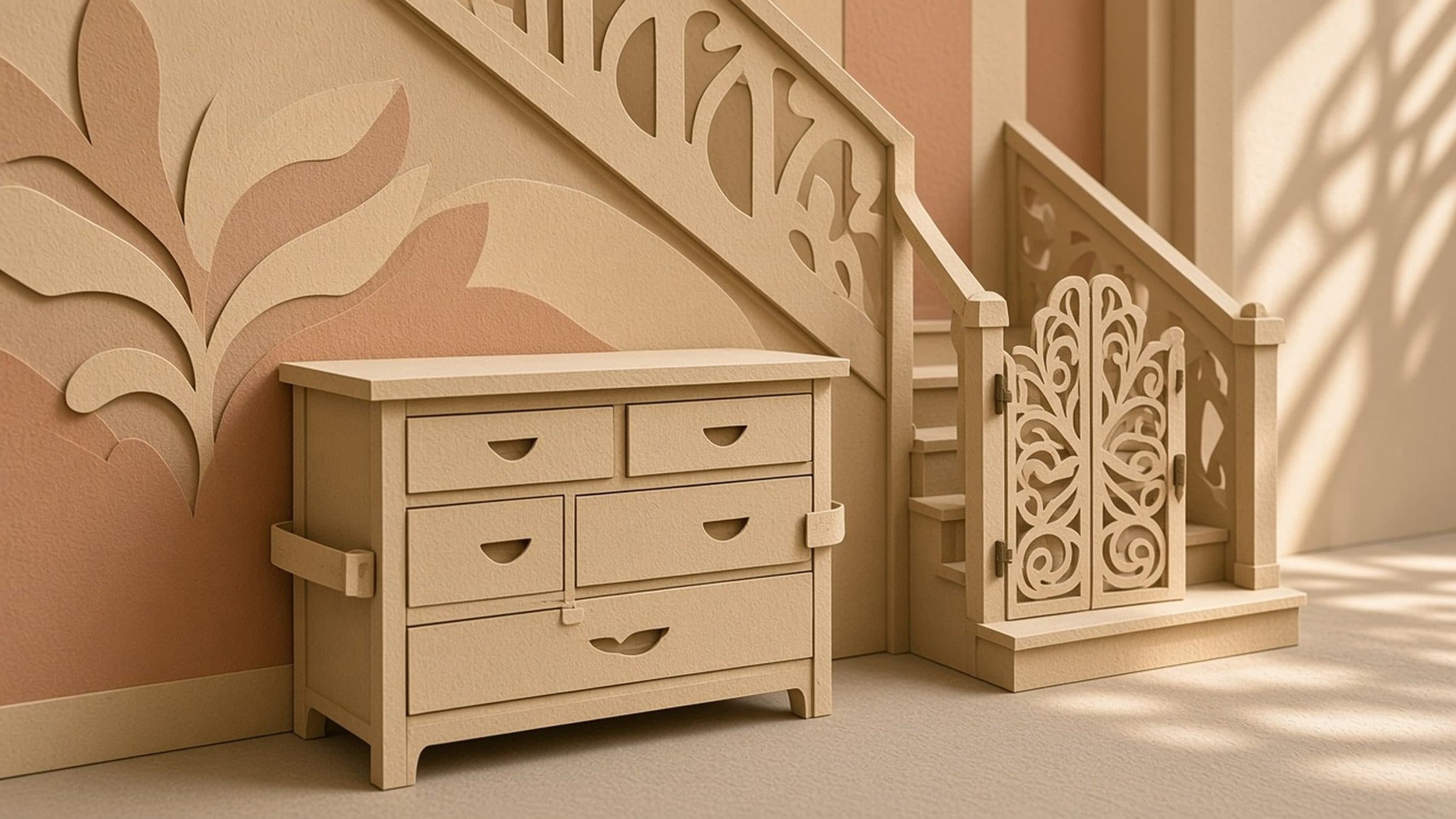
- Anchor furniture and TVs. The CPSC's Anchor It campaign recommends anchoring dressers, bookcases and TVs with anti-tip devices. Put heavy items on lower shelves.
- Outlets. Use tamper-resistant outlets or sliding covers; small plug-in caps can become choking hazards.
- Cords. Choose cordless window coverings or cut cords short; tie up appliance cords.
- Smoke and carbon monoxide alarms. Test monthly; replace batteries yearly.
- Small objects. Anything that fits through a toilet paper tube is a choking risk for young children.
- Button batteries and magnets. Keep remotes, key fobs and toys with button batteries secured or out of reach; swallowing one is an emergency.
Kitchen
- Lock lower cabinets that hold cleaners, dishwasher pods and knives.
- Use the back burners and turn pot handles inward.
- Keep hot drinks away from table edges; avoid tablecloths a child could pull.
- Store dishwasher and laundry pods high, in their original containers.
- Consider a stove knob cover.
Bathroom
- Set the water heater to 120°F or lower, as the AAP recommends, to reduce scald risk.
- Install a toilet lock.
- Keep medicines, vitamins, razors and cosmetics locked and high.
- Never leave a child alone in the bath, even for a moment.
- Use a non-slip mat.
Living areas
- Pad sharp coffee table corners or move the table.
- Put a gate or screen around fireplaces and heaters.
- Check houseplants; some are poisonous. Keep them out of reach.
- Secure bookshelves and display cabinets.
- Move fragile items up.
Stairs and doors
- Top of stairs: hardware-mounted gates screwed into the wall. Pressure gates can be pushed out.
- Bottom of stairs: a pressure-mounted gate works.
- Doors: knob covers or lever locks for rooms that aren't safe.
- Windows: window guards or stops that keep openings to 4 inches or less; screens don't stop falls.
Laundry and garage
- Keep detergents, bleach and pods locked up.
- Keep the washer and dryer doors closed.
- Store tools, paint, car fluids and pesticides high and locked.
- Never store chemicals in food or drink containers.
Outdoors
- Fence pools on all four sides with a self-closing, self-latching gate.
- Empty buckets and wading pools after use.
- Check play equipment for loose bolts and sharp edges.
Visiting other homes
Relatives' houses are often less prepared. Before a long visit, ask the hosts to move medicines off nightstands and out of purses, block stairs with a portable gate, and lift cords and cleaners. Bring a few outlet covers and a doorknob cover in your bag. Purses and coat pockets of guests are a common source of pills and button batteries, so set up one high spot, such as a closet shelf, where visitors put bags when they arrive at your home too.
Keep emergency numbers handy
Post your pediatrician's number and Poison Help (1-800-222-1222) on the fridge and save both in your phone. If you think your child swallowed a poison, medicine, battery or magnet, call Poison Help right away, or 911 if they are having trouble breathing, are unresponsive or having a seizure. Call your pediatrician with any other injury questions. This is general information, not medical advice.
Recheck every few months
Babyproofing isn't one-and-done. Climbing, opening doors and dragging chairs to counters each bring new risks. Recheck the house at each new stage.
A note for later
Weeks later, some families like a printed story about the first days at home. The new baby book is built from the moment you pick, such as coming home or meeting family, plus optional details and photos of real places; you approve a proof before it prints in softcover or hardcover with a PDF. Look through a sample new baby book, see the gift guide and check pricing.
Frequently asked questions
When should I start babyproofing? Before crawling begins; many parents start around 4 to 6 months.
Do I need to babyproof every room? Focus on rooms your child uses, and block off the rest.
Are corner guards necessary? They help with sharp furniture edges, but supervision matters most.
Related reading:
Sources
- Anchor It! Furniture and TV Tip-Over Prevention, U.S. Consumer Product Safety Commission, accessed November 3, 2026
- Childproofing Your Home, American Academy of Pediatrics (HealthyChildren.org), accessed November 3, 2026
- Poison Help, National Capital Poison Center, accessed November 3, 2026