
Meaningful gifts
Is it normal for kids to grind their teeth?
Teeth grinding (bruxism) in kids: why children grind or clench, signs like jaw soreness and worn enamel, stress and alignment causes, night guards, and dentist
The short answer
Yes. Bruxism is common in children, especially around ages 3 to 6 when baby teeth settle and again when adult teeth erupt. Most kids outgrow it. See a dentist if you notice chipped or flattened enamel, jaw pain, headaches or a jaw joint that pops.
Bruxism means grinding or clenching the teeth, usually during deep slumber. Parents often notice a scraping or gnashing sound from the next room. Up to 3 in 10 children do it at some point, with peaks when primary teeth come in and when permanent ones replace them. In most kids it fades by adolescence without damage.
Key takeaways
- Grinding is common and usually harmless in young children.
- Misaligned bite, earaches, teething and stress are typical triggers.
- A dentist can check enamel wear at regular visits.
- Mouth guards are rarely needed for baby teeth.
Signs
- Grating noise overnight.
- Jaw ache or stiffness on waking.
- Morning headaches.
- Teeth that look flat, chipped or short.
- Sensitivity to hot or cold.
Common causes
- Upper and lower teeth not lining up.
- Pain from an ear infection or erupting molar; grinding may be a way to ease it.
- Worry about school, a move or family changes.
- Hyperactivity or certain medicines.
- Enlarged adenoids or tonsils that affect breathing.
What helps
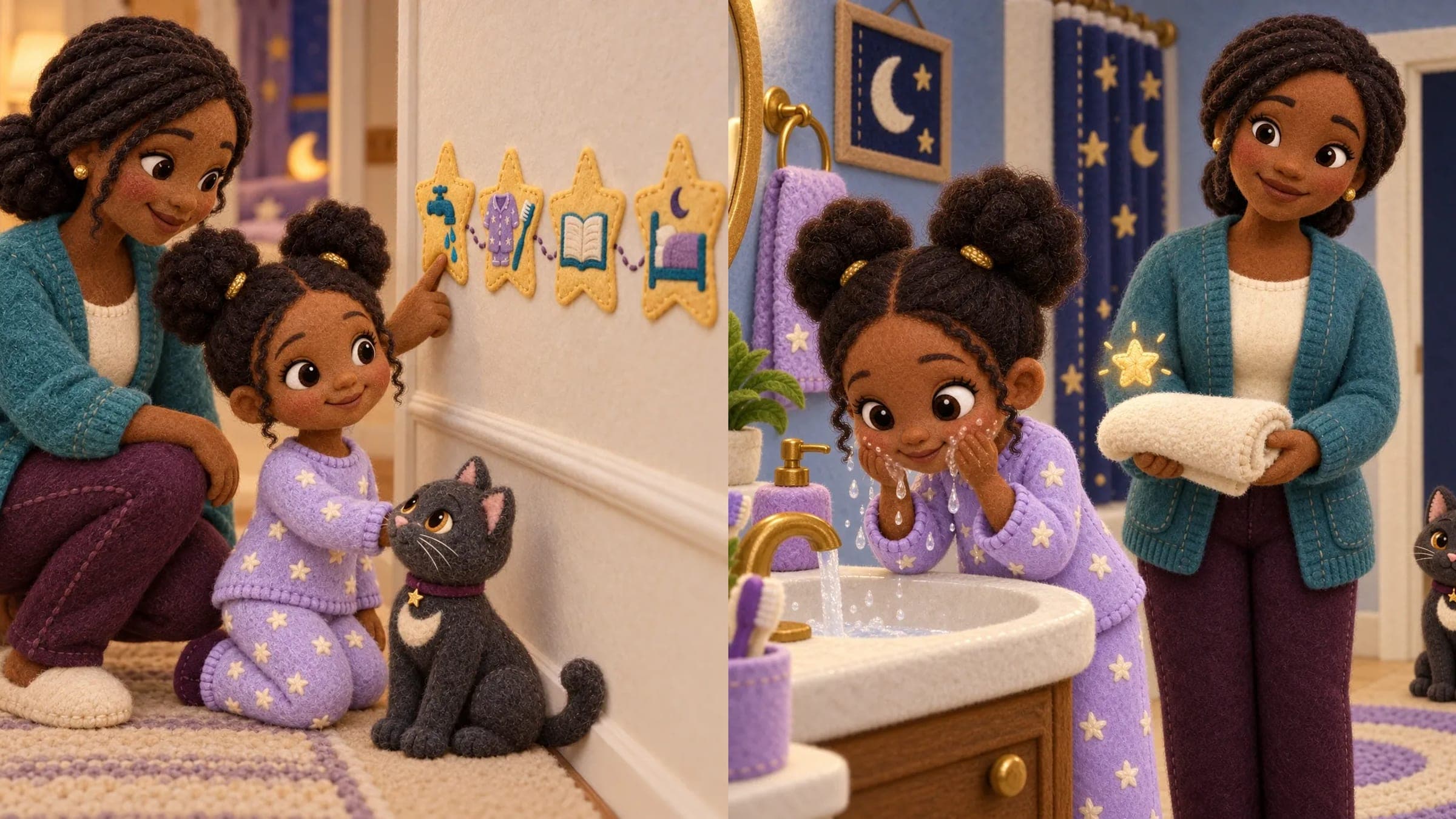
- A calm, predictable wind-down with screens off an hour before lights out.
- Talking through worries at dinner, not right before sleep.
- Warm washcloth on the jaw.
- Plenty of water through the day.
When to see the dentist
Book a check if enamel looks worn, your child complains of jaw or tooth pain, or the jaw locks or pops. Dentists may suggest a custom night guard for older kids with permanent teeth.
When to see the doctor
If grinding comes with loud snoring or pauses in breathing, ask your pediatrician about a sleep evaluation.
How dentists check for grinding
At a routine visit, the dentist looks for flattened biting edges, tiny fractures, gum recession and tenderness in the chewing muscles. They may ask about headaches, ear pain or jaw soreness. Bring notes on when you hear grinding and how often. For children with permanent molars, X-rays help spot wear below the surface.
Daytime clenching
Some children clench or grind while concentrating, reading or using screens. Gentle reminders work better than scolding. Teach "lips together, teeth apart, tongue resting on the roof of the mouth" as a relaxed jaw position, and practice it together.
A wind-down that relaxes the jaw
- A warm bath 30 to 60 minutes before lights out.
- Slow belly breathing: in for four counts, out for six.
- A short stretch: open the mouth wide, then close gently, five times.
- Quiet reading or audiobooks rather than tablets.
- A consistent lights-out time, even on weekends.
Caffeine and diet
Soda, iced tea and chocolate contain caffeine that can make muscles more active and sleep lighter. Keep them out of the afternoon and evening. Chewing gum all day can tire the jaw muscles, so limit it if your child complains of soreness.
Stress and big changes
A new school, a move, a new sibling or tension at home can show up as grinding. Make space for feelings: ask open questions, listen without fixing, and keep routines steady. If anxiety seems to affect sleep, appetite or school, talk to your pediatrician.
Night guards for kids
Night guards are custom plastic covers that sit over the upper or lower teeth. For young children whose jaws are still growing, many dentists prefer to wait because guards may need frequent remaking. Over-the-counter boil-and-bite guards can be uncomfortable and are best used only on a dentist's advice.
Common questions
Will grinding damage adult teeth? Most children stop before permanent teeth are affected, but ongoing grinding after age 12 deserves a dental plan.
Is grinding linked to worms? No. This is a common myth with no scientific support.
Does my child need braces? Only if a bite problem is found. Grinding alone is not a reason for orthodontics.
Keeping a short log
For two weeks, jot down nights you hear grinding, bedtime, screen use, caffeine, and any stressful events that day. A pattern, such as grinding after late screen time or before school tests, can point to simple changes. Share the log with your dentist at the next checkup so they can compare it with what they see on the teeth.
For the wind-down itself, the bedtime book turns one photo into an illustrated story for the last read of the night.
Gifts for this age: a gift idea for this age
Look through a sample bedtime book, then start from a photo.
Sources
- Bruxism (Teeth Grinding or Clenching), KidsHealth (Nemours), accessed November 4, 2026