Meaningful gifts
When should kids start flossing?
When to start flossing a child’s teeth, how to floss a toddler or preschooler, floss picks versus string floss, and when kids can floss on their own.
The short answer
Start flossing as soon as two of your child’s teeth touch, which for many children happens between ages 2 and 6, often between the back molars. Floss once a day, usually at bedtime. Most children need a parent to floss for them until about age 8 to 10.
Start flossing when two of your child's teeth touch each other. For many children that happens with the back molars somewhere between ages 2 and 6, though some touching teeth appear earlier. The American Dental Association recommends cleaning between teeth once a day, because a brush can't reach the tight spaces where food and plaque collect.
Key takeaways
- The trigger is touching teeth, not a birthday.
- Once a day, usually before bedtime brushing, is enough.
- Floss picks are easier for small mouths and impatient children.
- Most children can't floss well alone until about 8 to 10.
Why floss baby teeth?
Cavities often start between the back molars, where teeth touch and brush bristles can't get in. Baby teeth hold space for adult teeth and help with chewing and speech, so cavities in them still matter. Flossing early also builds a habit that's easier to keep later.
How to check for touching teeth
Look at the back molars with a flashlight. If there's no visible gap between two teeth, or food gets stuck between them, it's time. Ask your dentist to point out the spots at your child's next checkup.
Picks versus string floss
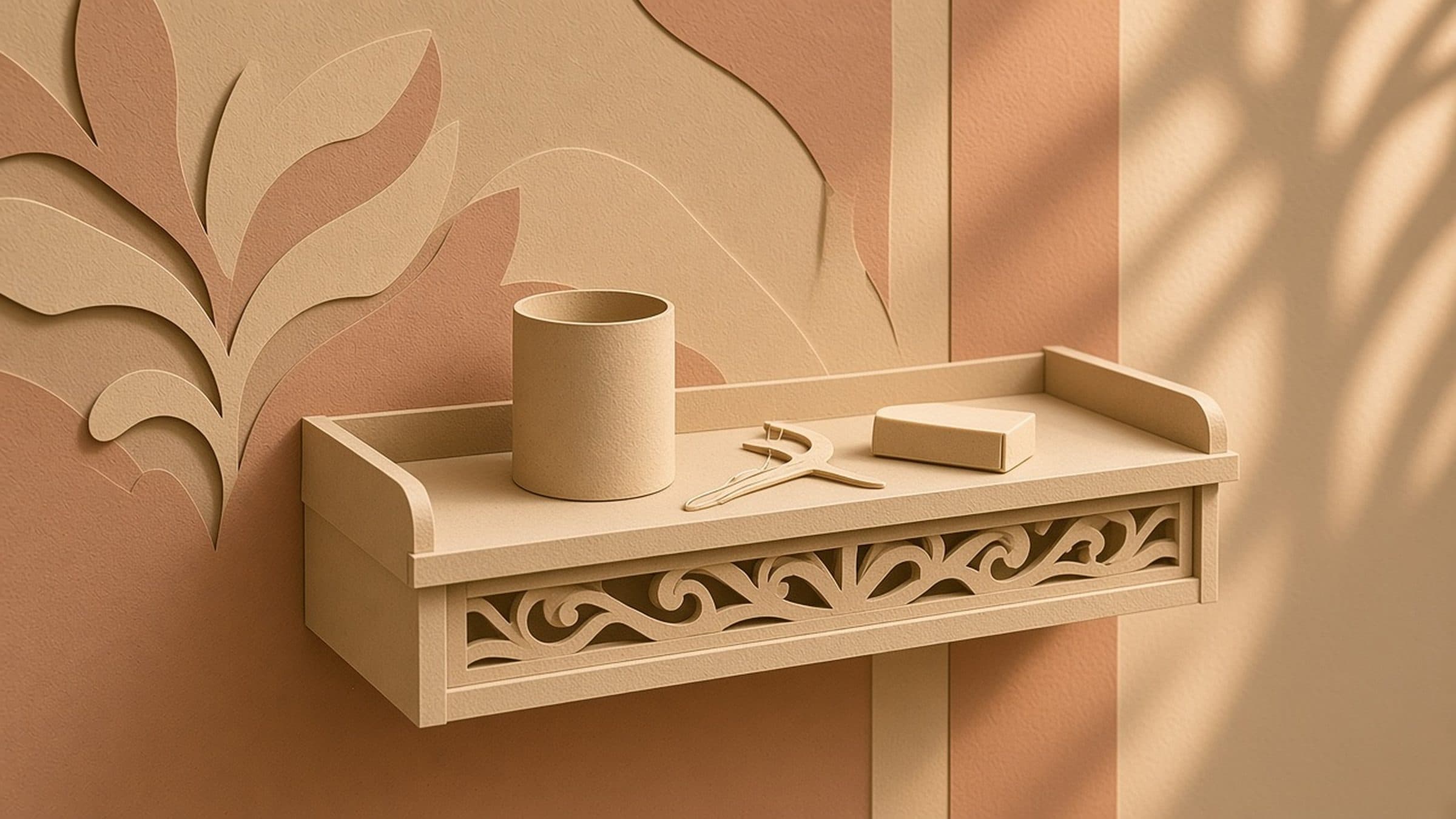
Floss picks. A short piece of floss held on a plastic handle. Easy to hold with one hand while you steady your child's head with the other. Good for toddlers and preschoolers.
String floss. Cleans more of the tooth's curve. Better for older children and for teeth with tight contacts.
Water flossers. Some families like them for children with braces later on. They aren't needed for most young children.
Step by step for a toddler or preschooler
- Sit on the floor with your child's head in your lap, facing up, or stand behind them at the mirror.
- Gently slide the floss between two touching teeth.
- Curve it in a C shape against one tooth and move it up and down.
- Curve it against the neighboring tooth and repeat.
- Lift it out and move to the next space.
- Brush afterward.
Be gentle near the gums. A little bleeding is common in the first week and usually stops as gums get healthier.
Building the habit
- Same time every day. Right before bedtime brushing.
- Let them choose. A pick in their favorite color, or which teeth go first.
- Keep it short. Start with the back molars only; add more spaces as they get used to it.
- Count or sing. Count the spaces out loud together.
- Praise effort. "You held so still."
Letting them try
Around age 6 or 7, let your child try a floss pick while you watch, then do a quick finish. Many children can floss on their own by 8 to 10, once they can tie their shoes and write neatly, a rough marker of hand control.
If your child hates it
Some children gag, wiggle or cry. Try a different position, a flavored pick, or flossing just one space per night for a while. Stay calm and consistent. If flossing seems painful, ask your dentist to check for a problem.
A sample bedtime order
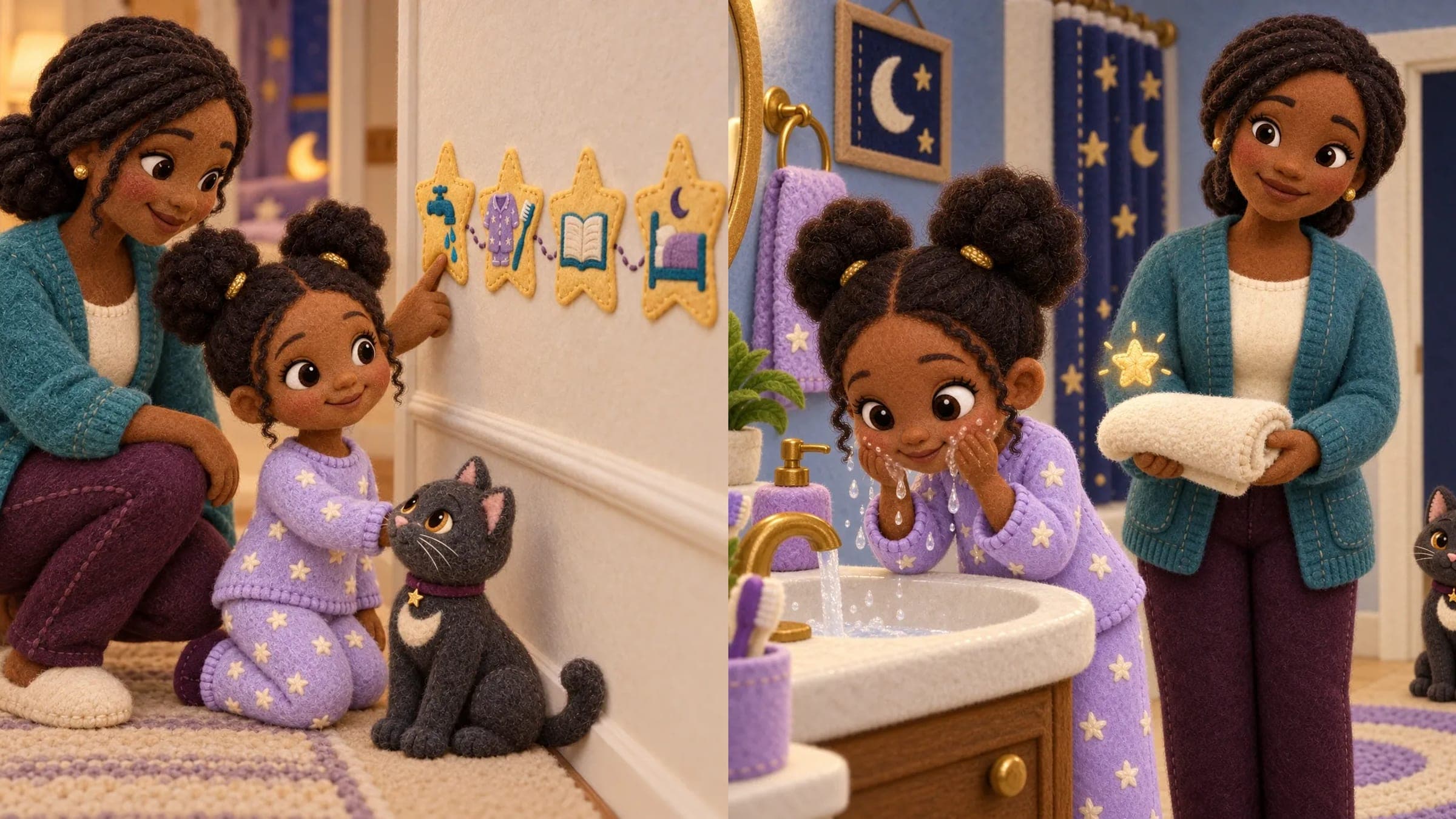
Bath, pajamas, potty, floss, brush, two books, lights out. Putting flossing in a fixed spot means it isn't a separate negotiation each night. If evenings are rushed, flossing in the morning is still far better than skipping it.
Tools worth having
A small flashlight or the light on your phone makes back molars much easier to see. A handheld mirror lets an older child watch what you're doing, which often helps them cooperate and learn. Keep floss picks in a cup by the sink so they're never out of reach.
Food that sticks
Sticky snacks (dried fruit, fruit snacks, crackers) cling between molars. Floss on days you've had them, even if you sometimes skip.
At the dentist
Your child's dentist may apply fluoride varnish and can show you the tight spots. The American Academy of Pediatric Dentistry recommends checkups about every six months, or as your dentist suggests.
When to start
Start once two teeth touch each other, which for many children happens between ages 2 and 6, often when the back baby molars come in. Gaps between front teeth don't need floss.
Keep a few picks in the car or diaper bag for days when bedtime happens away from home.
Common questions
Do baby teeth with gaps need flossing? No. If you can see clear space between two teeth, brushing reaches both sides. Floss only where teeth touch, and check again as new molars come in.
Is once a day enough? Yes, for most children. Brushing remains twice a day.
What about braces or spacers later? Your orthodontist will show special floss threaders when the time comes.
Should I floss before or after brushing? Either works; many families floss first so brushing sweeps away what flossing loosens.
Flossing is easier to add to a routine your child already knows. The toothbrushing book is an illustrated story with your own child going through it.
Gifts for this age: gift ideas for 3-year-olds
Related reading:
Sources
- Flossing, American Dental Association (MouthHealthy), accessed November 4, 2026
- Parent FAQ, American Academy of Pediatric Dentistry, accessed November 4, 2026
- Brushing Up on Oral Health: Never Too Early to Start, HealthyChildren.org (American Academy of Pediatrics), accessed November 4, 2026