Meaningful gifts
What should you pack for daycare?
What to pack for daycare for babies, toddlers and preschoolers: spare clothes, diapers and nap gear, bottles and cups, labels, and what to leave at home.
The short answer
Pack two labeled spare outfits, diapers and wipes or underwear, a crib sheet and small blanket if allowed, bottles or a water cup, any food the center does not provide, [sunscreen](/journal/articles/sun-safety-for-babies) and weather gear, and medicine only with the required written authorization. Label everything with your child’s first and last name.
For most daycares, pack two labeled spare outfits, diapers and wipes (or extra underwear for potty learners), a crib sheet and small blanket if your center allows them, bottles or a spill-proof water cup, any food the center doesn't provide, sunscreen and weather gear, and medicine only with the center's signed medication authorization. Label every item with your child's full name.
Key takeaways
- Two spare outfits, socks and underwear included, cover most messy days.
- Every center has its own rules; ask for their list and follow it first.
- Labels save more lost items than anything else.
- Leave valuable toys at home; a small comfort item is usually enough.
Before you shop, ask the center
Centers differ a lot. Some provide diapers, wipes, formula, meals and nap mats. Others ask families to bring everything. Ask for the written supply list, rules on blankets and pacifiers, and what lives at the center versus what goes back and forth each day.
Babies (under 12 months)
- Diapers, 5 to 8 a day, and wipes.
- Diaper cream, with written permission if required.
- Bottles, labeled with name and date, and enough for each feed plus one.
- Formula or breast milk, packed per the center's storage rules.
- Two or three spare outfits.
- Bibs and burp cloths.
- A crib sheet if the center asks for one. Following AAP safe-sleep guidance, babies under 12 months sleep without blankets, pillows or bumpers.
- Pacifiers, if your baby uses them, with your name on them.
- A sleep sack if allowed.
Toddlers (1 to 3)
- Diapers and wipes, or pull-ups.
- Two spare outfits, with socks.
- A labeled water cup.
- Lunch and snacks if not provided, with an ice pack.
- A small nap blanket and crib or cot sheet.
- A comfort item if the room allows it.
- Indoor shoes, if required.
- Sunscreen and a sun hat, or a coat, hat and mittens by season.
- Rain boots and a rain jacket.
Preschoolers (3 to 5)
- Two changes of clothes, plus several pairs of underwear for recently trained children.
- A water bottle.
- Lunch and snacks if needed.
- A nap mat cover or small blanket.
- A backpack large enough for art projects.
- Weather gear.
- A family photo for their cubby, if the teacher welcomes one.
Labels that last
Iron-on or stick-on clothing labels, a laundry marker on tags, and dishwasher-safe labels for cups and bottles. Use first and last names; there may be three children with the same first name.
A daily bag routine
- Unpack each evening: wet clothes, art, notes.
- Restock spare clothes that came home.
- Check the daily report for "we need more diapers."
- Keep the bag by the front door, packed the night before.
Seasonal swaps
Twice a year, empty the cubby completely and bring everything home to sort.
Every season, also check that spare clothes still fit and suit the weather. A spare summer outfit is no help in January.
A packing list for the door
Tape a short list inside the front door or in your phone notes: cup, lunch, spare clothes, nap blanket, weather gear, any notes for the teacher. On rushed mornings it catches the one thing that's easy to forget. Some families keep a second set of spare clothes in the car for pick-up surprises.
Bags and containers
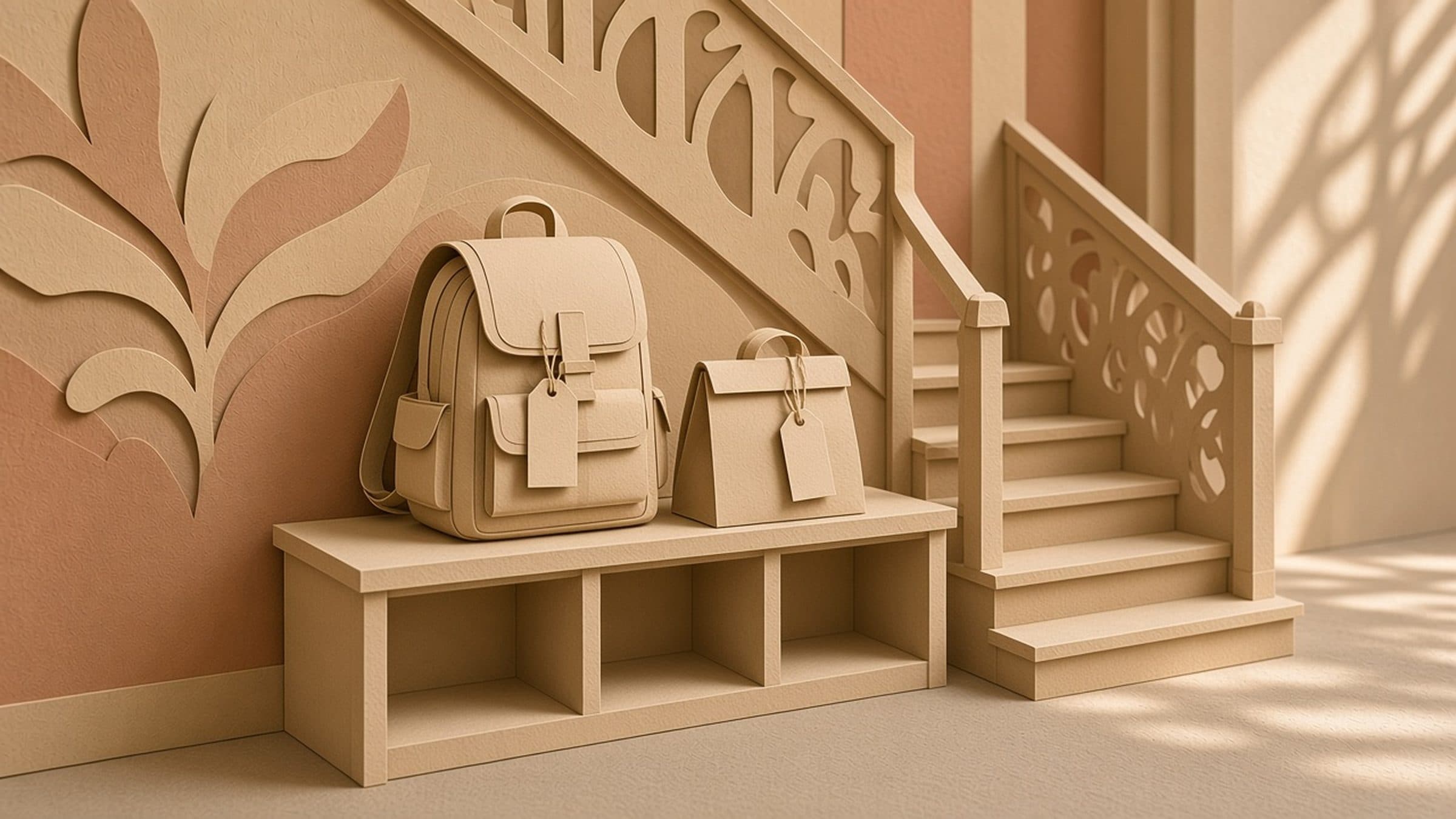
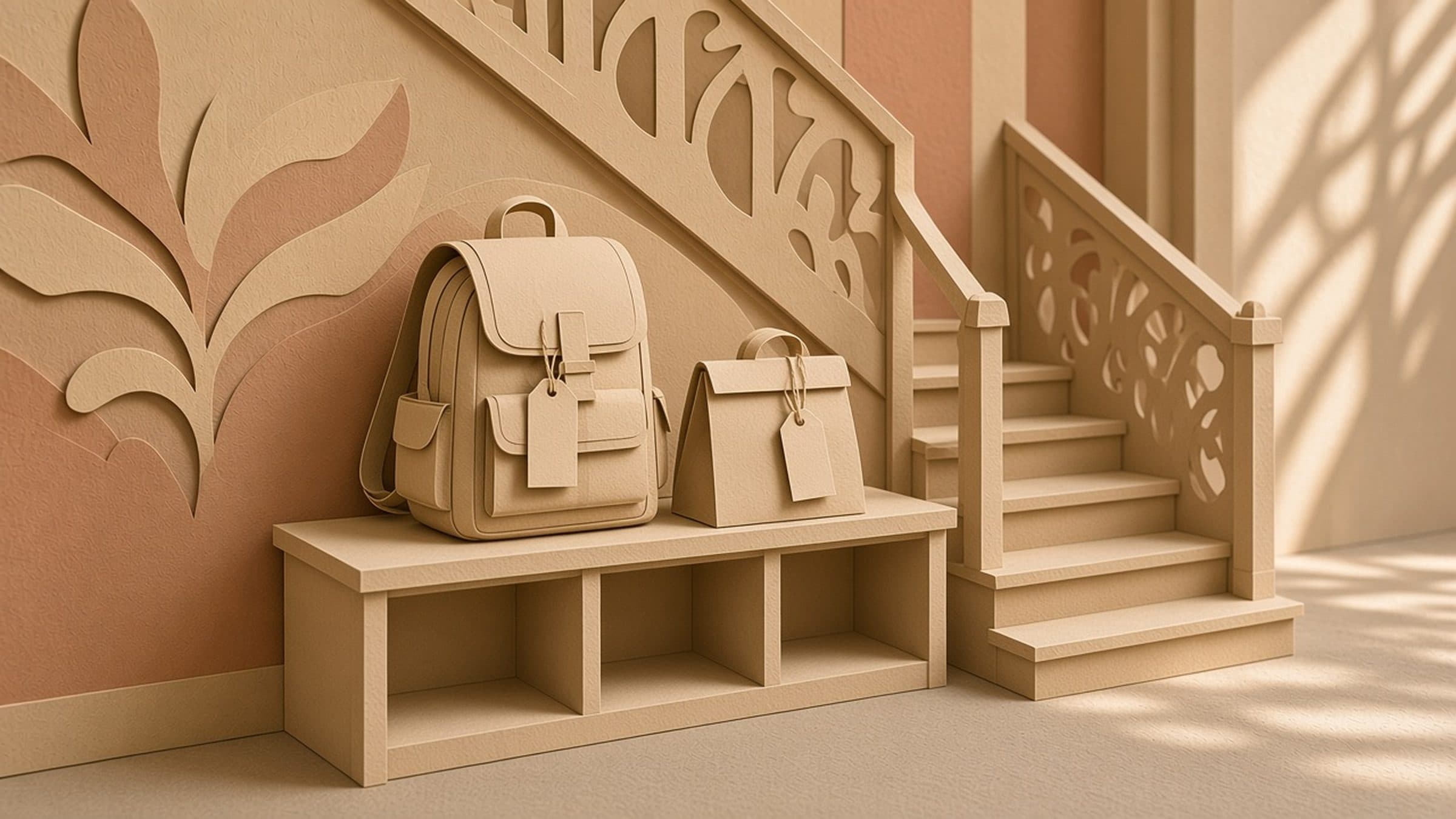
Choose a backpack your child can open and close, so they practice independence at the cubby. Insulated lunch bags with a reusable ice pack keep food safe until lunchtime. Wet bags with a zip seal are worth having for soiled clothes, and they wash easily.
What not to send
- Expensive or irreplaceable toys.
- Toys with small parts.
- Food with nuts if the center is nut-free.
- Medicines without signed permission.
- Jewelry, hair clips that pose choking risks for babies.
Health and medicine
Most centers require a signed medication authorization and the original labeled container. Ask about sunscreen and diaper cream too, which some states treat like medicines.
For the first day
Add a short note about your child's routine: nap times, what calms them, words they use for the bathroom, foods they like. Teachers appreciate it, and it helps the first days go smoothly.
Common questions
Do I need a separate bag every day? Many families keep a "stays at daycare" bin of spare clothes and diapers and send only a small daily bag.
Should my child help pack? From about age 3, yes. Let them choose which spare shirt goes in, carry their own cup to the bag, and zip it. Small jobs make the morning feel like theirs, and children are more likely to notice their own things at pick-up.
What if things go missing? Ask where the lost-and-found is and check weekly.
Packing the bag together can be part of the goodbye routine. The daycare goodbye book shows your own child heading off and coming home, ready to read the night before.
Gifts for this age: gift ideas for 2-year-olds
Related reading:
Sources
- Childcare.gov, U.S. Department of Health and Human Services, Administration for Children and Families, accessed November 4, 2026
- Prevention in Child Care or School, HealthyChildren.org (American Academy of Pediatrics), accessed November 4, 2026