Meaningful gifts
How do you make a time capsule with kids?
Make a time capsule with kids: choose a sturdy container, what to put inside, how to protect paper and photos, where to store it, and when to open it.
The short answer
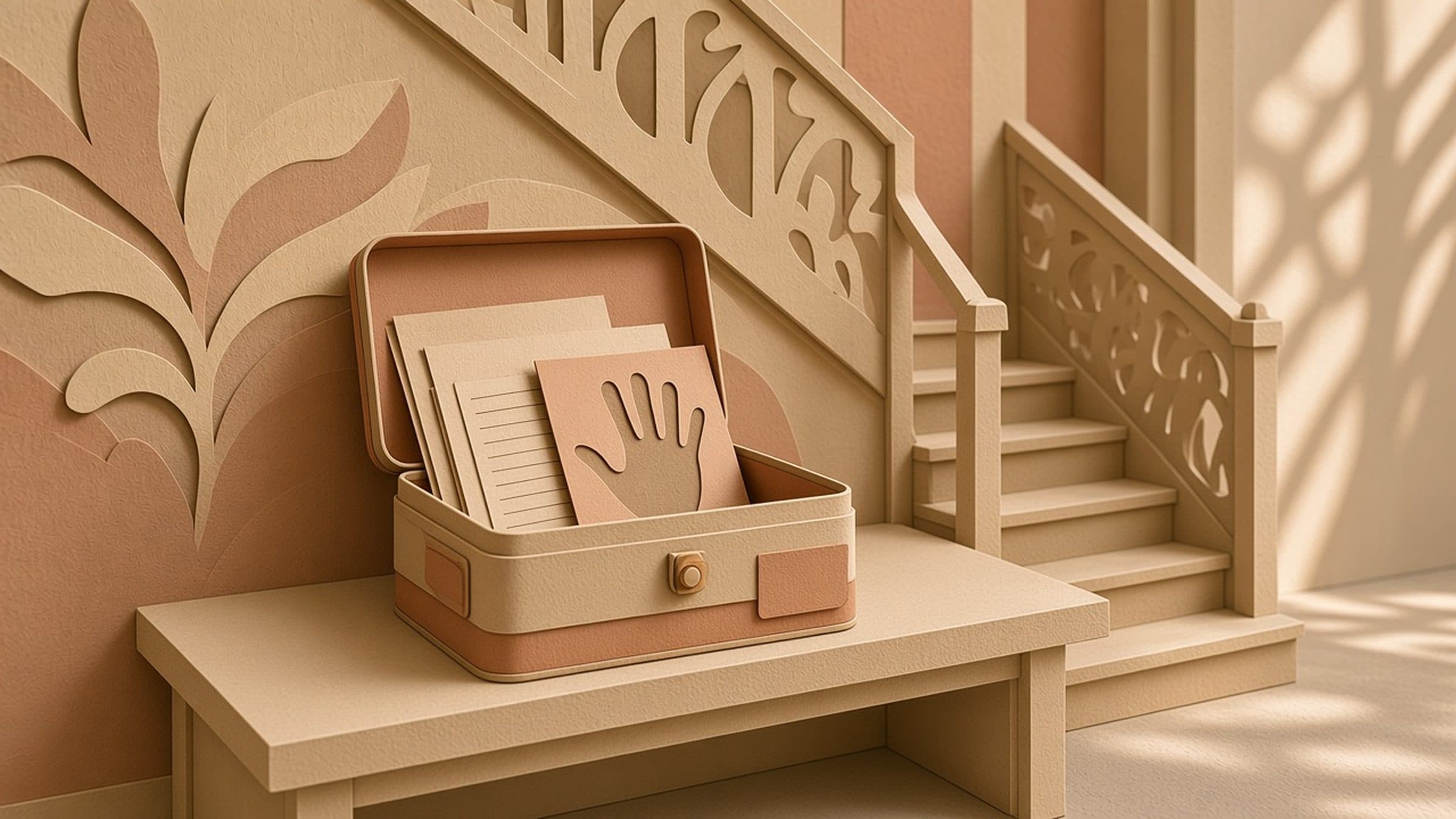
Choose an airtight container such as a plastic storage bin or metal tin, fill it with letters, drawings, a handprint, photos, a list of current favorites and a newspaper page, seal paper items in acid-free folders, label it with the opening date, and store it indoors in a cool, dry spot.
To make a time capsule with kids, choose an airtight container, fill it with letters, drawings, photos, a handprint and a list of favorite things, protect paper items in acid-free sleeves, label it with the date to open, and store it indoors somewhere cool, dry and dark. Many families make one each year and open it five, ten or eighteen years later.
Key takeaways
- Indoor storage beats burying; moisture ruins most buried capsules.
- Acid-free paper and folders keep items from yellowing.
- Avoid rubber bands, paper clips, tape and anything that can leak.
- Write the opening date on the outside and in a family calendar.
Choose a container
- A plastic storage tub with a tight lid.
- A metal tin, lined with acid-free paper.
- A sturdy box inside a large zip bag for short timelines.
- Store-bought capsules with gaskets.
Avoid cardboard alone, which absorbs moisture.
What to put inside
From your child
- A drawing or painting.
- A handprint or footprint on cardstock.
- A letter to their future self, dictated if they can't write yet.
- A list: favorite food, color, song, show, book, friend, toy.
- Their height and shoe size.
- A small, outgrown item of clothing.
From parents
- A letter describing your child right now.
- Photos printed on photo paper.
- A family "news report" of the year.
- Predictions: what your child will be like.
From the world
- A newspaper front page or magazine cover.
- Prices of everyday things: milk, gas, a movie ticket.
- A ticket stub, a takeout menu, or a museum map.
- A printed list of top songs or movies of the year.
Protecting items
The National Archives recommends storing family papers and photos in a cool, dry, stable place, away from attics and basements, and using archival-quality folders and boxes. Practical steps:
- Put papers in acid-free folders or archival sleeves.
- Don't use glue, tape, staples or rubber bands.
- Keep photos in paper or polypropylene sleeves.
- Remove batteries from any small device.
- Add a silica gel packet to absorb moisture.
Digital items
Flash drives and discs may not be readable in 20 years. Print the most important things. If you include a drive, also save copies in cloud storage and note where.
Where to keep it
- A closet shelf on an inside wall.
- Under a bed.
- Not in the attic, garage or basement, where heat and humidity swing.
If you want to bury one, use a sealed PVC or metal container and expect some damage.
When to open it
- On the next birthday, for very young children.
- At 5 or 10 years.
- At high school graduation or age 18.
- On a milestone anniversary of moving into the house.
Write the date on the lid and in a shared calendar.
Make it a yearly ritual
Pick the same day each year. Interview your child with the same questions each time; comparing answers across years is a highlight.
Interview questions
- What makes you happy?
- What are you good at?
- What do you want to learn?
- Who is your best friend?
- What do you want to be when you grow up?
- What's the best thing that happened this year?
For siblings
Give each child their own capsule or their own envelope in a family capsule.
A one-afternoon plan
- Pick the container together and let your child decorate the outside with stickers or a drawing.
- Do the interview first, while your child is fresh. Write their answers word for word, including the funny ones.
- Trace a hand or a foot on cardstock and write the date and age next to it.
- Measure height with a ribbon, cut it to length, and roll it up inside. Years later, unrolling it next to a grown child is a favorite moment.
- Write your letters. Each parent writes one; older siblings can add a drawing or a few lines.
- Gather the "world" items from the house and the day's news.
- Pack and label. Put papers in folders first, then photos, then small objects on top.
- Seal and celebrate. Take a photo of everyone holding the capsule and put a copy of that photo in your family album, so you remember it exists.
Ideas by age
- Toddlers (2 to 3): keep it simple: a handprint, a favorite small toy they're ready to part with, a photo, and your letter.
- Preschoolers (4 to 5): they can draw a self-portrait and their family, and answer the interview questions out loud.
- School-age kids (6+): they can write their own letter, predict what phones and cars will look like, and choose the world items themselves.
Making a class or group capsule
For a classroom, scout group or cousins at a reunion, give each child an envelope and let them fill it privately. Agree on who will keep the capsule and how everyone will be contacted when it's time to open it.
Common questions
Can we add things later? Yes, until you seal it.
What if we move? Pack it with important documents so it doesn't get lost.
Another way families record a year: the birthday book, an illustrated story made from one photo, which fits neatly in a capsule.
A birthday gift idea: a first-year keepsake many families choose
Related reading:
Sources
- Caring for Your Family Archives, U.S. National Archives, accessed November 4, 2026
- Collections Care, Library of Congress, accessed November 4, 2026