Meaningful gifts
What are the stages of children’s drawing?
Children’s drawing stages: random scribbles at 1, controlled lines and circles at 2 to 3, first tadpole people around 3 to 4, recognizable pictures by 5, and
The short answer
Toddlers start with random scribbles around 12 to 18 months, move to controlled lines and circles between 2 and 3, draw first “tadpole” people with a head and legs around 3 to 4, and make recognizable pictures with details by about 5. Ages vary widely.
Children's drawing develops in recognizable stages. Around 12 to 18 months, toddlers make random scribbles. Between 2 and 3, they control lines, dots and circles. Around 3 to 4, the first "tadpole" person appears: a circle head with legs coming out of it. By about 5, many children draw recognizable people, houses and animals with details. Each stage builds hand control, planning and imagination.
Key takeaways
- Scribbling is real development, not mess.
- Holding a crayon progresses from a fist grip to a finger grip.
- Ask "Tell me about your picture" instead of "What is it?"
- Ages vary; enjoyment matters more than accuracy.
Stage 1: Random scribbles (about 12 to 24 months)
Toddlers grip crayons in a fist and move the whole arm. Marks go everywhere. They're discovering cause and effect: I move, a line appears.
Stage 2: Controlled scribbles (about 2 to 3)
Lines become more deliberate: back-and-forth strokes, dots, spirals. The AAP lists copying a vertical line among skills many children develop around 2 to 3. Children may name scribbles after drawing them.
Stage 3: Shapes and first people (about 3 to 4)
Circles close up. Crosses appear. Children start drawing the "tadpole person." Many 3- to 4-year-olds can copy a circle and begin drawing simple people with two to four body parts.
Stage 4: Pictures with meaning (about 4 to 6)
Children plan before drawing. People get bodies, arms, fingers and hair. Houses, suns, trees and animals appear. Things float in space; size reflects importance, not reality.
Stage 5: Scenes (about 6 and up)
A baseline (ground) and sky line show up. Pictures tell stories. Details and proportions improve.
Grip development
- Fist grip at 1 to 2.
- Fingers-down grip at 2 to 3.
- Four-finger grip at 3 to 4.
- Tripod grip (thumb, index and middle finger) at 4 to 6.
Chunky crayons and short, broken crayons encourage a better grip.
Encouraging drawing
- Keep paper and crayons in reach.
- Tape big paper on the floor or wall.
- Try chalk on sidewalks and easels.
- Offer markers, paint, pencils and stamps.
- Draw alongside your child without correcting.
- Display artwork at their eye level.
Talking about art
Ask, "Tell me about this," or describe what you see: "You used lots of blue and swirly lines." Avoid guessing wrong, which can disappoint.
Coloring books
Coloring books are fine, but open-ended drawing builds more creativity and planning. Mix both.
When to ask for help
If by 4 your child can't hold a crayon or copy a circle, or avoids all fine motor activities, mention it to your pediatrician.
Saving artwork
Photograph art and keep a few favorites. A yearly portfolio shows how much skills change.
Common questions
My 3-year-old only scribbles. Is that okay? Usually yes; keep offering materials.
Left-handed? Hand preference typically settles between 2 and 4.
Choosing art supplies
- 12 to 24 months: chunky crayons, washable markers, finger paint with supervision.
- 2 to 3: thick paintbrushes, chalk on sidewalks, larger sheets of paper taped to the table.
- 3 to 5: thinner crayons, colored pencils, glue sticks and safety scissors.
Look for nontoxic labels. Short, broken crayons actually help small fingers use a mature grip.
Setting up a drawing spot
A low table, a washable mat and a basket of supplies within reach invite independent drawing. Taping paper down keeps it from sliding. An easel helps strengthen shoulders and wrists for later writing.
Left-handed artists
Hand preference often settles between 2 and 4. Let your child choose; never force a switch. Angle the paper slightly to the right for lefties so they can see what they draw.
What drawing builds
Drawing supports fine motor skill, planning, storytelling and early writing. Asking a child to tell you about their picture helps language too.
Mess-friendly ideas
- Draw in a tray of salt or sand with a finger.
- Paint with water on a fence or sidewalk on a warm day.
- Use bath crayons on the tub wall.
- Tape paper under the table for drawing while lying on the back, which builds shoulder strength.
Displaying their work
Rotate a few pieces on the fridge or a string line each week. Seeing their art valued encourages kids to keep drawing.
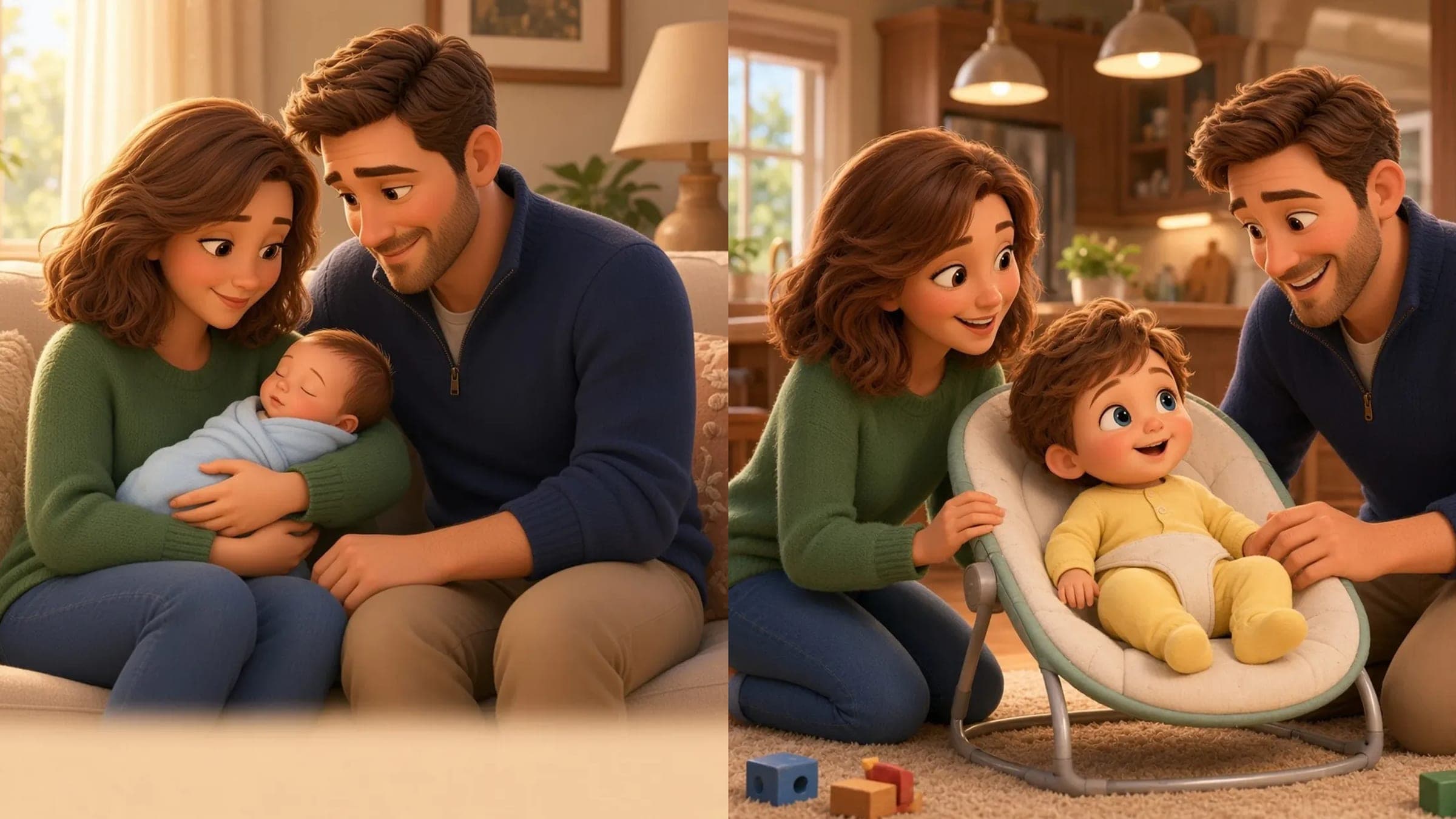
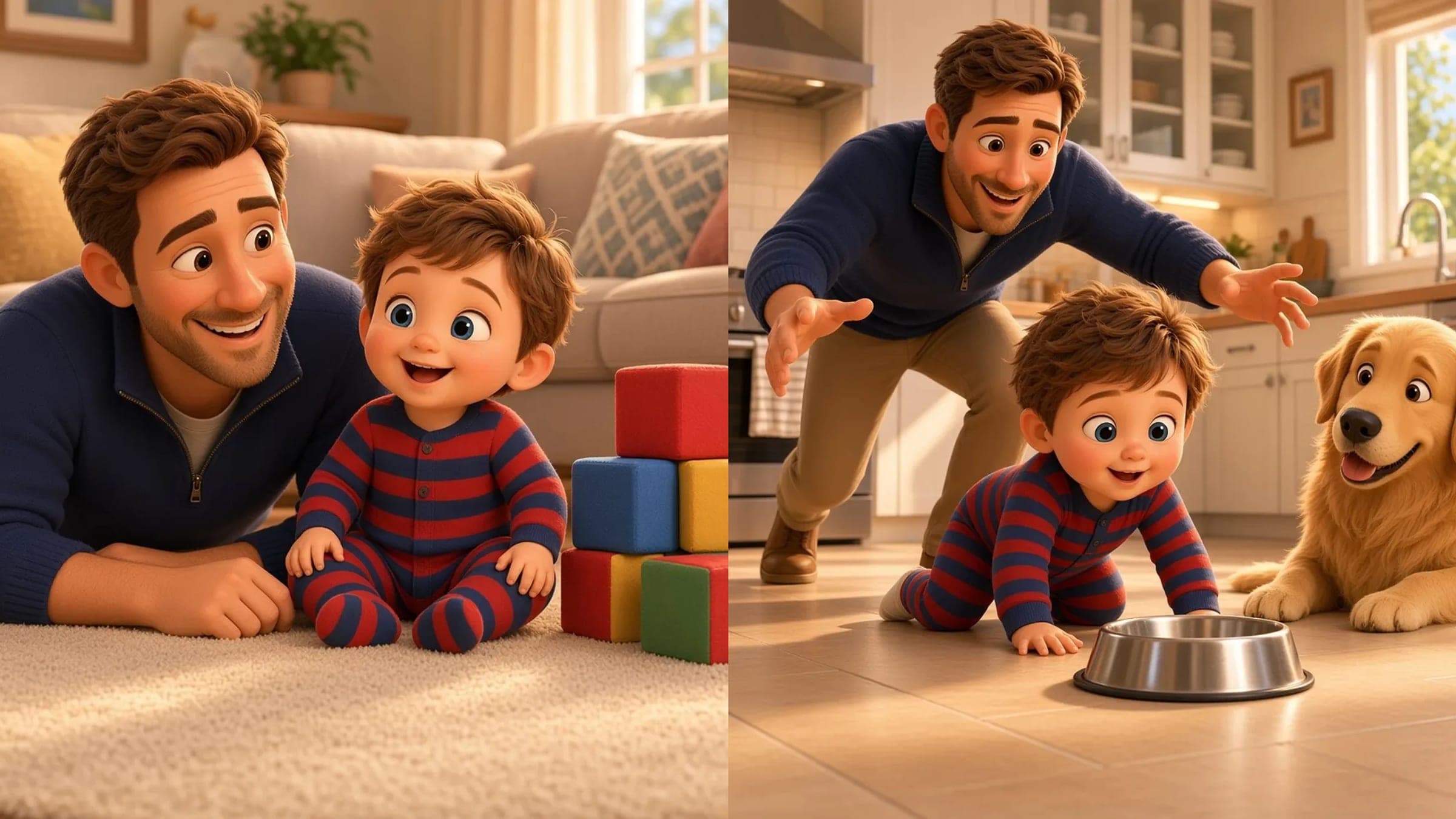
When a big first finally happens, the milestones book turns a photo into an illustrated story you approve before ordering.
A milestone gift: a gift idea for big firsts
Look through a sample milestones book, then start from a photo.
Sources
- Developmental Milestones: 2 Year Olds, HealthyChildren.org (American Academy of Pediatrics), accessed November 4, 2026
- Developmental Milestones: 3 to 4 Year Olds, HealthyChildren.org (American Academy of Pediatrics), accessed November 4, 2026