Story ideas
Should you clean earwax out of a child's ears?
Earwax in kids is normal and cleans itself. Why cotton swabs make it worse, safe ways to clean the outer ear, and the signs worth a doctor visit.
The short answer
Usually no. The ear canal makes wax all the time, and the wax moves out on its own. Wipe only the outer ear with a washcloth at bath time, and never put cotton swabs or other objects into the canal. Call the doctor for ear pain, itching, a blocked feeling, hearing problems, or discharge; a doctor can safely remove a wax blockage.
You don't need to clean earwax out of a child's ears; it moves out of the canal on its own, and the only cleaning needed is a wipe of the outer ear with a washcloth at bath time. KidsHealth explains that the outer ear canal makes wax all the time, that there's usually no need to remove it, and that cotton swabs should not be used to remove earwax (Dealing With Earwax (Cerumen), accessed November 11, 2026). It also advises that parents and kids not try to remove wax at home, even with remedies that promise to be safe.
What earwax does
Earwax, or cerumen, is made by glands in the outer part of the ear canal. It traps dust and germs, keeps the skin of the canal from drying out, and has a mild protective effect against infection. Jaw movement from chewing and talking slowly pushes old wax outward, where it dries and falls out or gets wiped away.
Wax can be pale yellow, orange, brown or almost black, and wet or flaky. All of these can be normal.
How to clean a child's ears
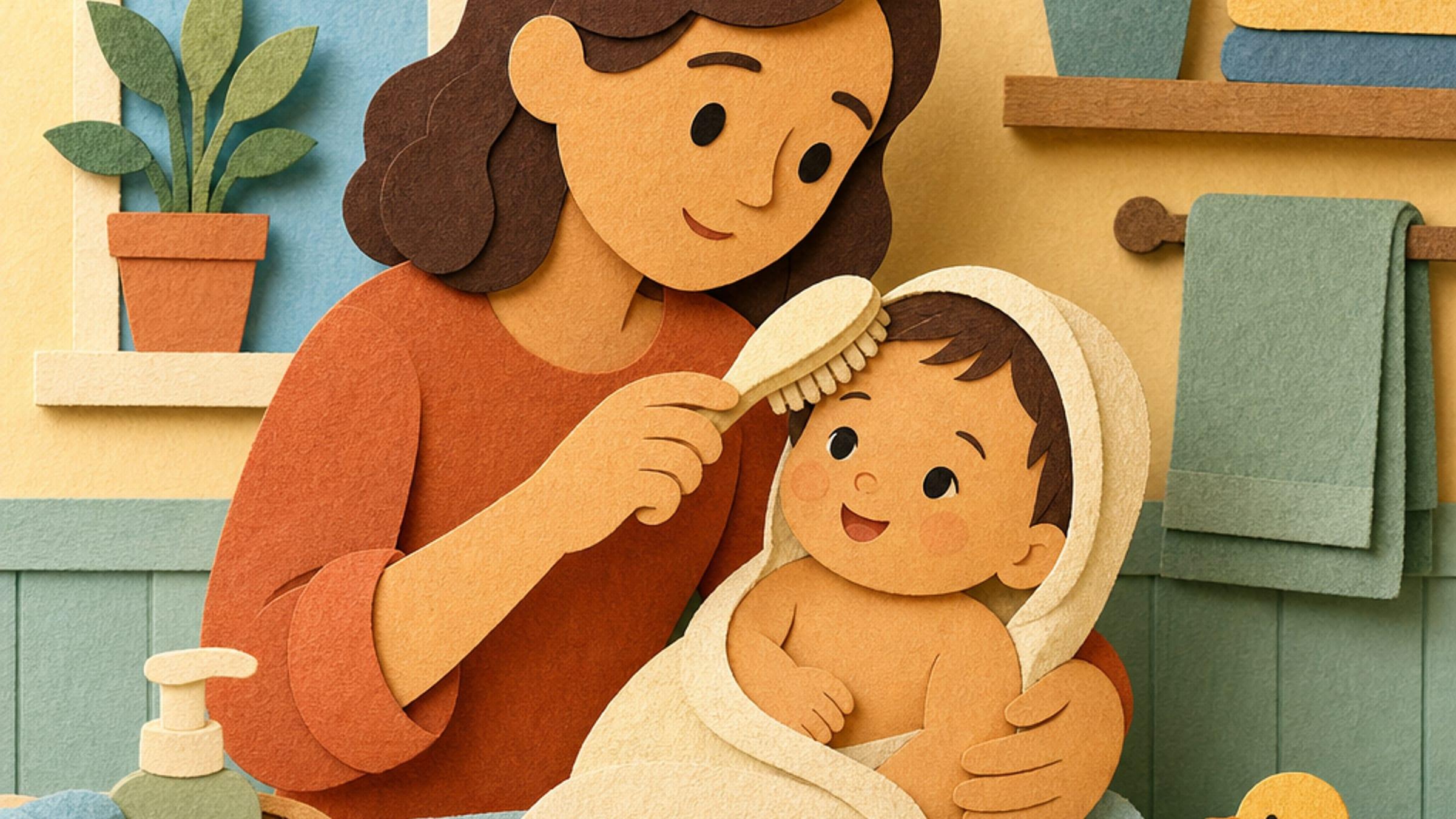
- At bath time, wrap a washcloth around your finger.
- Wipe the folds of the outer ear and behind it.
- Stop at the opening of the canal. Don't go in.
- Dry the outer ear gently with a towel.
That's it. Regular bathing is enough for most kids, KidsHealth notes.
Why cotton swabs make it worse
Swabs feel like they work, because something comes out on the tip. But they push most of the wax deeper, where it packs against the eardrum. They can also scratch the canal or puncture the eardrum if a child moves suddenly. The same goes for bobby pins, keys, fingers and "ear candles," which are not safe.
Teach kids the old rule: nothing smaller than your elbow in your ear.
Signs of a blockage
Sometimes wax builds up and plugs the canal. This is called impaction. Watch for:
- your child saying their ear feels full or blocked;
- trouble hearing, or turning up the volume;
- ear pain or itching;
- ringing in the ear;
- dizziness.
In babies and toddlers, tugging at the ears can be a sign of an ear problem, KidsHealth says. Tugging is also common with teething and tiredness, so look at the whole picture.
How doctors remove wax
If wax is causing symptoms or blocks the doctor's view of the eardrum, they can remove it in the office. Methods include:
- softening drops, then a gentle rinse with warm water;
- a small curved tool called a curette;
- gentle suction.
Ask before using any over-the-counter wax drops. They're not right for kids with ear tubes or a hole in the eardrum.
Hearing and talking
Earwax rarely affects hearing in a lasting way, but any child with possible hearing trouble should be checked, especially toddlers who are learning to talk. The AAP's HealthyChildren page on language development describes what most 2-year-olds can say and understand, which can help you notice if something seems off (Language Development: 2 Year Olds, accessed November 11, 2026). Tell the doctor if your child doesn't respond to sounds, or if speech seems behind.
When to call the doctor
- ear pain, itchiness, or a blocked feeling;
- hearing problems;
- fluid, blood or pus from the ear;
- something stuck in the ear;
- fever with ear pain;
- dizziness or balance problems.
Kids with hearing aids or ear tubes
Children who wear hearing aids or earplugs may build up more wax, because the canal is blocked for long stretches. Their audiologist or doctor may check for wax at each visit. Kids with ear tubes should never use drops unless the doctor prescribes them.
Helping a nervous child at the doctor
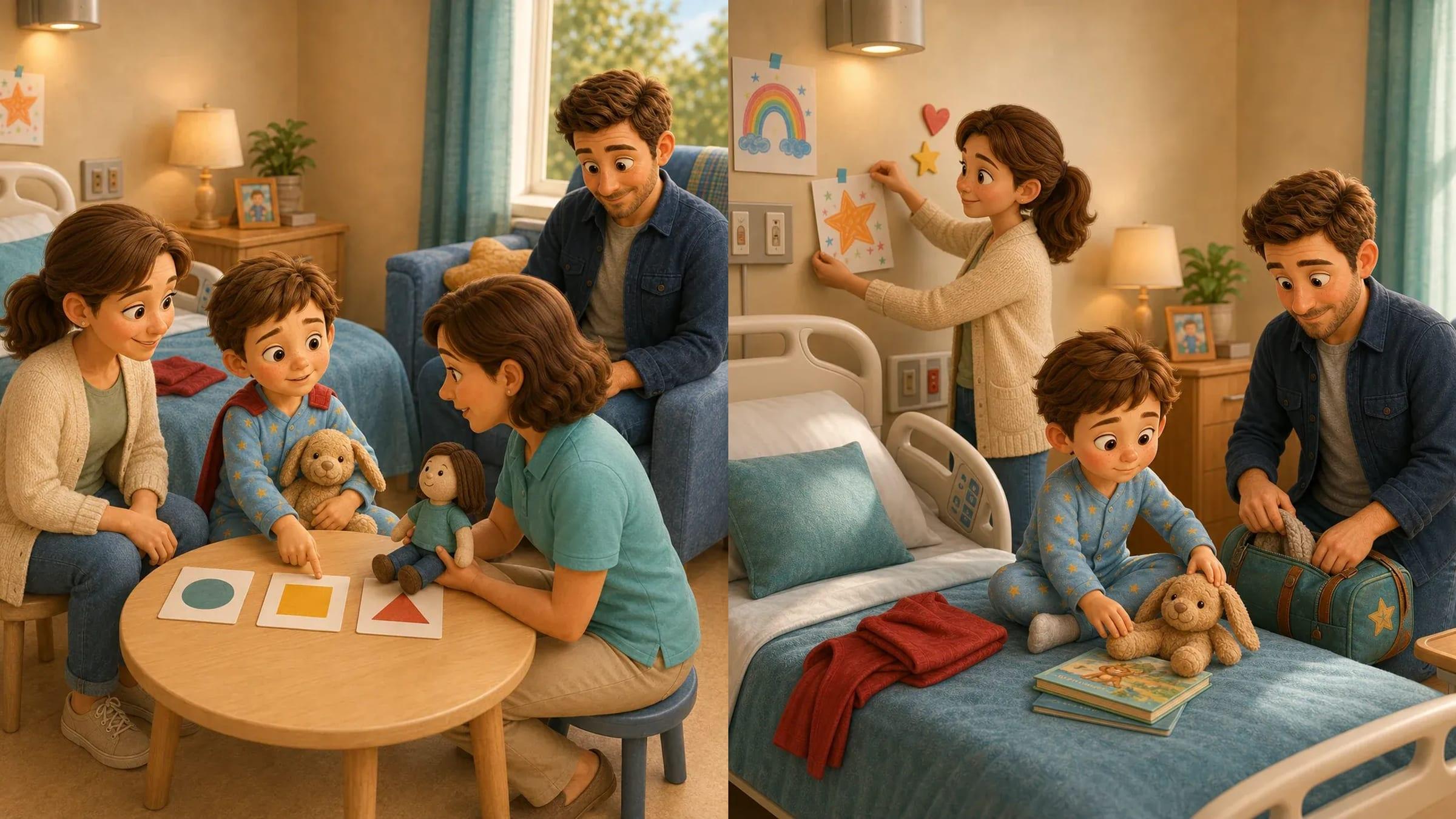
Wax removal can feel strange: cold water, a tickle, a loud slurp from suction. Tell your child what they'll feel. Let them hold your hand or a toy. If an ear procedure or a hospital visit is part of their year, a personalized last-treatment book can retell it in a calm way.
Related reading
- Hospital stories and books
- Getting hearing aids
- Getting tonsils out or ear tubes
- How to Trim Toddler Fingernails Without Tears
Ears and listening at home
If your child seems not to hear you, it is worth sorting out whether it is their ears or their attention. Try a quiet test: from behind them, at normal volume, ask about something they love, like a snack or a show. A child who answers that but not "time to pick up" is probably hearing fine.
Signs worth mentioning to the doctor include turning the TV up, saying "what?" often, speaking louder than before, talking less than other kids their age, or pulling at one ear. A doctor can look in the ear in a few seconds and tell whether wax, fluid or something else is in the way.
Between visits, keep it simple: wipe the outer ear with a washcloth after baths, and leave the inside alone.
FAQ
Why does my child have so much earwax?
Some kids just make more. It's usually not a problem unless it causes symptoms.
Can I use olive oil?
Ask the doctor first. KidsHealth advises against home removal remedies.
Do swimming and baths help?
Normal bathing helps clear the outer ear. Dry ears gently after swimming.