Meaningful gifts
At what age can a child hop on one foot?
When do kids learn to jump, hop on one foot, gallop and skip? Typical ages for each, games that build balance and coordination, and when to ask a pediatrician.
The short answer
Most children jump with both feet around age 2, hop on one foot a few times around age 4, and skip around age 5 to 6. Galloping usually comes just before skipping. Active play builds these skills; ask your pediatrician if your child is far behind peers or seems unsteady.
Most children jump with both feet off the ground around age 2, hop on one foot a few times around age 4, and skip around ages 5 to 6. Galloping, a lopsided step-leap, usually comes just before skipping. These skills grow with active play, and the range of normal is wide.
Key takeaways
- Two-foot jumping first, then one-foot hopping, then galloping, then skipping.
- Hopping on the less-preferred foot lags behind the preferred one.
- Short daily movement games build balance better than drills.
- Ask your pediatrician if your child is well behind peers or often falls.
The typical sequence
Jumping (about 2 to 3). At first, toddlers bend their knees and push up, but one foot leaves the ground before the other. A true two-footed takeoff and landing usually arrives around age 2 to 2½. Jumping down from a low step comes before jumping forward.
Jumping forward (about 3). Three-year-olds can usually jump forward a short distance with both feet and land without falling.
Hopping (about 4). The CDC's milestone checklist for age 4 includes standing on one foot briefly, and many 4-year-olds hop a few times on one foot. By 5, many hop several times in a row.
Galloping (about 4 to 5). One foot leads, the other catches up. Children often discover it on their own while pretending to be horses.
Skipping (about 5 to 6). Skipping is a step and a hop on one foot, then the same on the other, in rhythm. It needs balance, timing, and switching sides. Some children skip at 5; others master it at 7.
Why some children take longer
Body size, temperament, practice and motor planning all play a part. A cautious child may wait until they feel sure before trying. Children with more chances to run and climb outdoors often pick these up earlier. Late is not the same as a problem, especially if your child is making steady progress.
Games that build these skills
For jumping:
- Jump over a rope lying flat on the floor, then raise it an inch.
- Frog jumps from one cushion to another.
- Puddle jumping in rain boots.
For hopping:
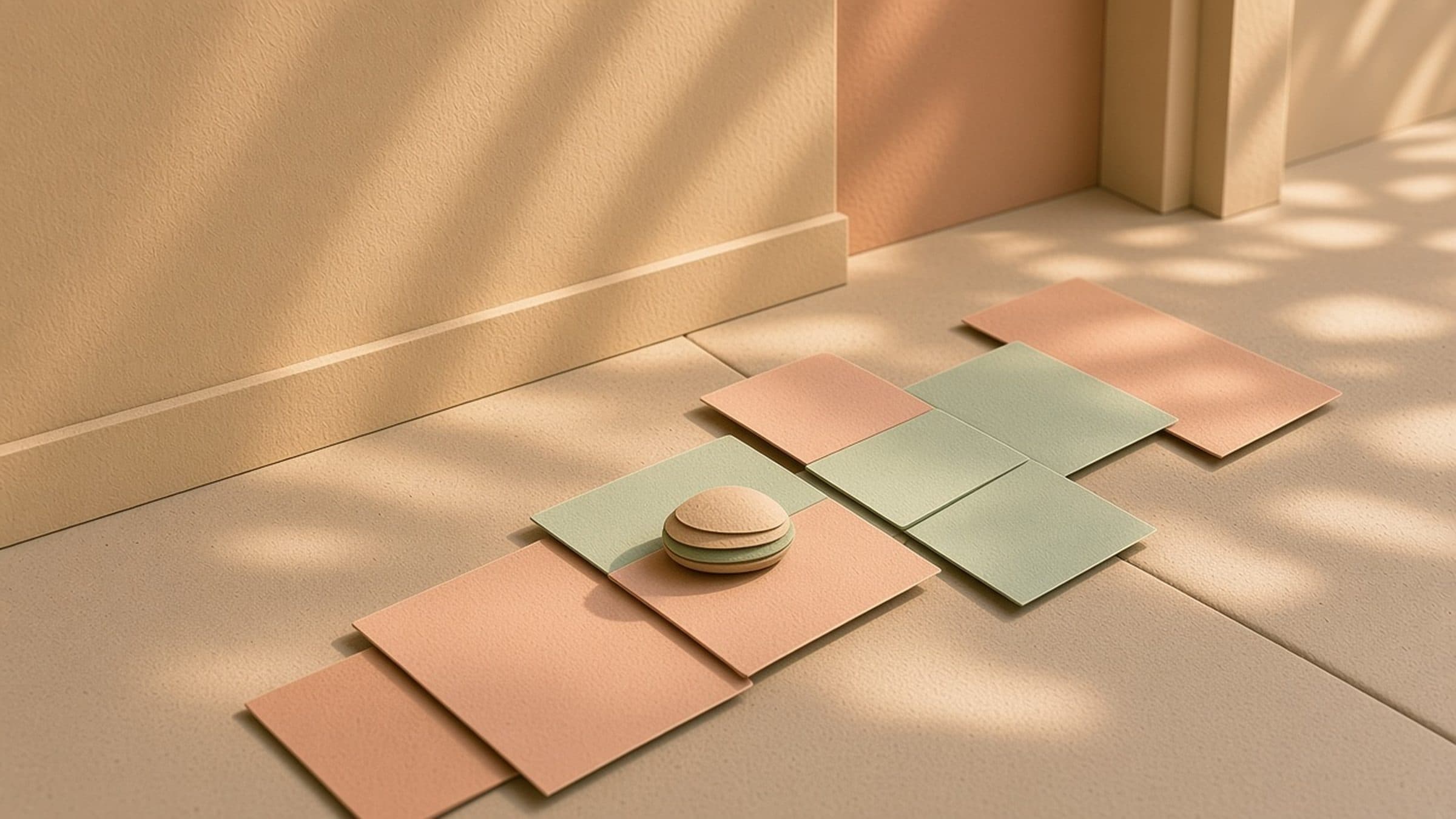
- Hopscotch drawn in chalk, with the single squares for hopping.
- "Flamingo" contests: who can stand on one foot longest?
- Hop to a song, switching feet when the music stops.
For galloping and skipping:
- Horse races across the yard.
- Skip holding your child's hand, saying "step-hop, step-hop" out loud.
- Music with a bouncy beat; rhythm makes skipping easier to feel.
For balance overall:
- Walk a line of masking tape like a balance beam.
- Animal walks: bear crawls, crab walks, bunny hops.
- Follow the leader on a playground route.
Make it safe
Clear a soft area indoors, such as a rug, and keep jumping off furniture to low heights. Bare feet or shoes with grip work better than socks on hard floors. Outdoors, grass is more forgiving than pavement for early hopping.
Praise the try
Children practice more when moving feels fun. Notice effort ("You hopped three times!") instead of form. Join in, too. A parent galloping across the yard is the best encouragement.
When to ask for advice
Talk with your pediatrician if your child can't jump with both feet by about age 3, can't stand on one foot briefly by about 4 to 5, seems clumsier over time instead of steadier, falls much more often than peers, or has lost skills they had. Bring notes or a short video. A physical therapist can assess motor skills if needed, and early support is common.
A weekly movement plan
You don't need classes. Try a short routine a few days a week:
- Monday: a chalk hopscotch grid on the driveway.
- Wednesday: an indoor obstacle path with pillows to jump between and a tape line to walk.
- Friday: a dance party with freeze, hop and gallop calls.
- Weekend: a playground visit with time on ladders, low walls and open grass.
Ten to fifteen minutes is plenty for a preschooler. Let your child invent a move and teach it to you; that builds motor planning, too.
Shoes and clothing
Flexible sneakers with grippy soles help more than stiff boots or sandals. Pants that allow knees to bend fully, and no long dresses that catch feet, make hopping easier to try.
How siblings and friends help
Young children copy older ones. A 3-year-old watching a 6-year-old skip will often try galloping right away. Group games like tag, red light green light and follow the leader give lots of jumps and hops without anyone calling it practice.
The first real skip across the kitchen is a small, memorable moment. The milestones book gathers the firsts you choose for a child about 1 to 5 into a printed story, with a proof for you to approve first. See a finished one or the gift notes.
For active days:
Sources
- Your Child's Development: 5 Years, KidsHealth from Nemours, accessed November 3, 2026
- CDC's Developmental Milestones, Centers for Disease Control and Prevention, accessed November 3, 2026