Meaningful gifts
At what age do kids learn left and right?
When do kids learn left and right? Why it takes until about age 6 or 7, why mirror mix-ups are normal, and simple games and tricks that help it sink in.
The short answer
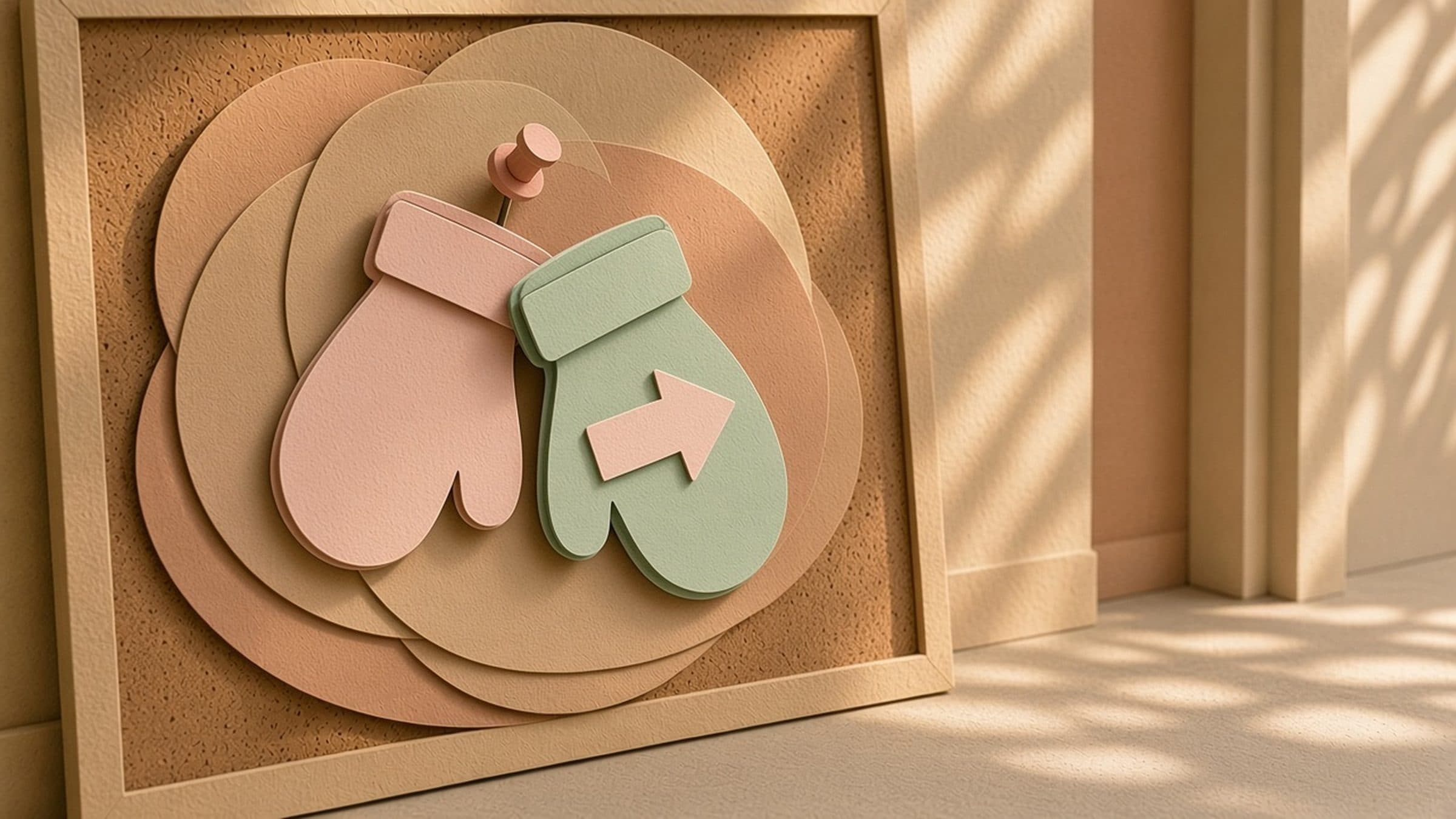
Many children can name their own left and right hands reliably around age 6 or 7, and understanding another person's left and right, such as someone facing them, comes later, often around 8. Games, a consistent cue on one hand, and everyday directions help it sink in.
Most children name their own left and right hands reliably around age 6 or 7. Mixing them up before then is common, and knowing someone else's left and right, such as a teacher facing the class, usually takes longer, often until about 8. A steady cue and lots of playful practice help.
Key takeaways
- Left-right confusion before age 7 is typical, not a red flag.
- Give one cue on one hand and keep it the same.
- Practice with movement games, not worksheets.
- Mirror-image mix-ups (facing someone) come last.
Why it takes so long
Up, down, front and back are fixed to gravity and to the body. Left and right are not. They flip when you turn around, and the two sides of the body look alike. Children first learn that they have two sides, then that each side has a name, then which name goes with which side. Applying it to another person, a map, or a page needs the child to imagine a different point of view.
Letter reversals such as b and d are part of the same picture. Many children reverse letters through first grade, and it fades with reading practice.
The cue that helps most
Pick one physical reminder and use it every day:
- The L trick. Hold both hands up, palms out, thumbs out. The index finger and thumb on the left hand make an L. This works best once children recognize the letter.
- A bracelet or hair tie on the same wrist each morning.
- The writing hand. For a right-handed child, "right is the hand you draw with." For a left-handed child, flip it: "left is your drawing hand."
- A dot. A small marker dot on the back of one hand for a week of practice.
Don't switch cues. Two systems at once slow things down.
Games that build it
- Simon says, sided. "Simon says touch your left ear." Go slowly at first.
- Hokey pokey. The song gives a rhythm and a reason to use each side.
- Treasure walk. Give turn-by-turn directions around the house: "three steps, then turn right at the couch."
- Shoe sort. Line up family shoes and ask which ones are left shoes.
- Car navigator. On familiar drives, ask which way to turn at the next corner. Praise the try, and correct gently.
- Dance moves. Freeze dance with "left foot up" or "right arm wave."
Movement locks in the words faster than pointing at pictures, because the child feels the side they're naming.
Everyday moments
Narrate sides as you go. "Left sleeve first." "The cup is on your right." "Let's walk on the right side of the path." Short, frequent mentions do more than a long lesson. When your child gets it wrong, just restate: "That's your right hand. Your left is this one."
Facing another person
When you face your child and raise your right hand, it's on their left side. That is confusing, and it's the last piece to arrive. Try standing side by side, both facing the same direction, when teaching dance steps or exercises. Later, play "mirror me" and talk about how your sides seem flipped.
Handedness
Many children show a hand preference by age 4, though some still switch hands into kindergarten. Let your child use the hand that feels natural. Left-handed children learn left and right just as well; just change the cue so it matches their own hand.
School expectations
Kindergarten teachers often use "left to right" for reading and writing. Pointing under words as you read together builds the habit of starting on the left side of the page. Many children who can track print left to right still mix up the names of their hands, and that's fine.
When to ask for advice
Occasional mix-ups through second grade are expected. Talk with your pediatrician if your child also struggles with balance, coordination, following simple directions, or reversals that continue beyond second grade, or if a teacher raises concerns. The CDC's milestone checklists can help you note what you're seeing before the visit.
Using left and right outdoors
Walks, bike rides and trips to the store are full of turns. Before each corner, ask "left or right?" and let your child point. Point out that cars in the U.S. drive on the right side of the road. On a playground, call out directions in tag or hide-and-seek. Learning by moving through real space connects the words to direction, not just to hands.
Left and right is one of many small wins in these years. If you want to remember the ones you care about, the milestones book builds a printed story from the firsts you choose for a child about 1 to 5; you check a proof before printing. The example book and gift page show more.
Try next:
Sources
- Your Child's Development: 5 Years, KidsHealth from Nemours, accessed November 3, 2026
- CDC's Developmental Milestones, Centers for Disease Control and Prevention, accessed November 3, 2026