Story ideas
How do you handle sibling rivalry without picking sides?
How to handle sibling rivalry: name the feelings, coach fair turns, skip referee mode, and use one short story when the same fight keeps looping.
The short answer
Sibling rivalry softens when adults name feelings, coach fair turns, and stop scoring who was "right." KidsHealth and AAP guidance frame rivalry as common and manageable with clear rules, equal attention, and no forced apologies that teach nothing. Save lectures for after the heat drops. A short personalized siblings story can rehearse sharing and taking turns when the same fight keeps looping at home.
Sibling rivalry is the everyday friction that shows up when kids share space, toys, attention, and a parent who cannot be two places at once. It is common. It is not a character flaw. KidsHealth and HealthyChildren.org both treat rivalry as common—and something families can shape with clear rules, fair attention, and calm coaching instead of scorekeeping.
The goal is not a silent house. The goal is kids who can recover from a fight without you becoming the permanent referee.
What usually sparks the fight
Most loops look ordinary: one child has a toy the other wants, someone sits in "my" seat, a parent laughs harder at one joke, or a younger sibling wrecks a careful block tower. CDC parenting guidance points parents toward naming the behavior and teaching a replacement skill rather than only punishing the outburst.
Age gaps change the texture. A preschooler grabbing from a toddler is different from two school-age kids trading insults about who Mom loves more. The coaching still starts the same way: stop the harm, name what you see, and teach the next step.
Stop being the scorekeeper
When you rush in to declare a winner, kids learn to escalate until you arrive. Try a shorter script:
- Separate bodies if someone is getting hurt.
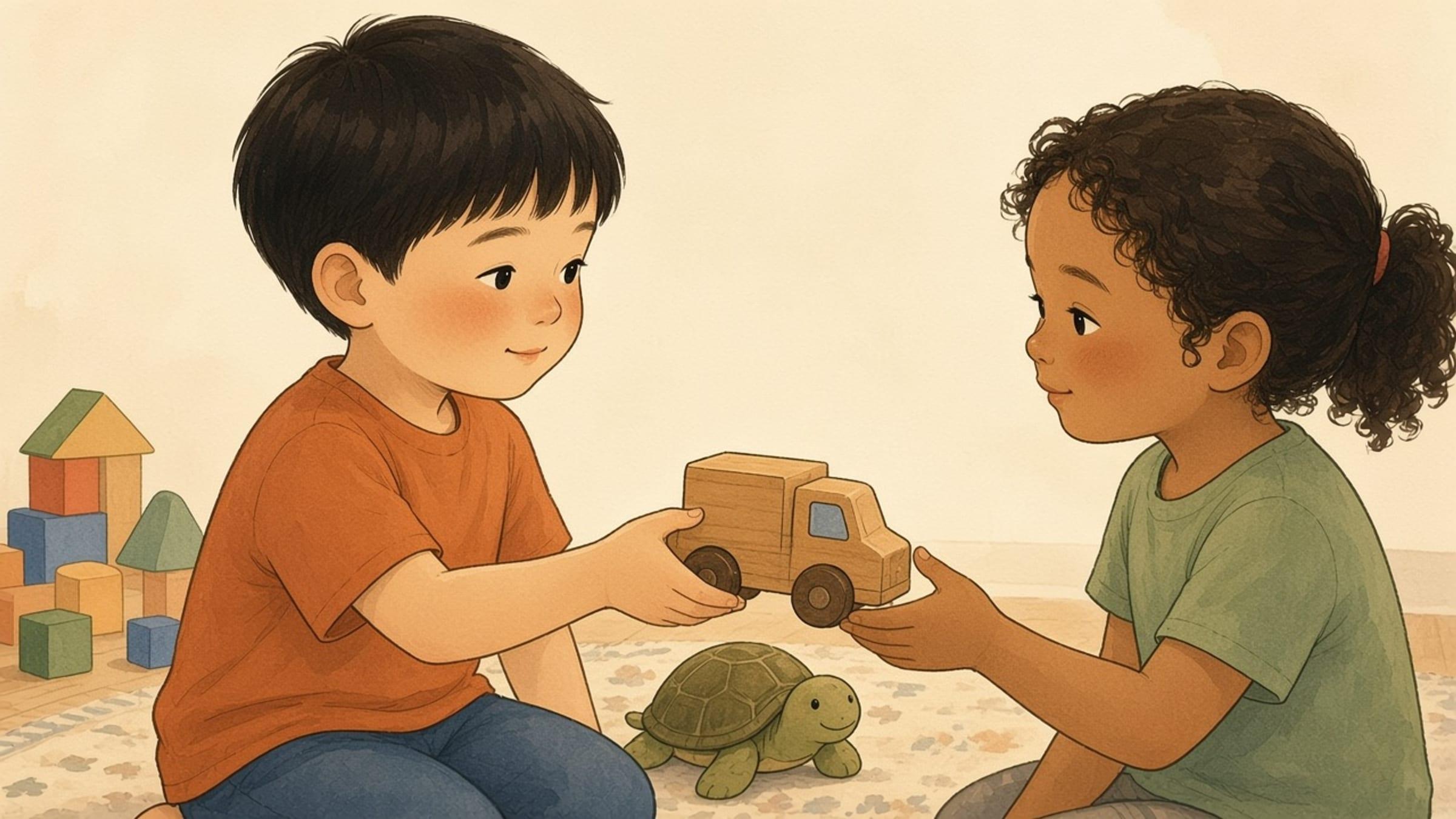
- Name feelings without assigning blame: "You both want the truck."
- Offer one fair next step: a timer, a trade, or taking turns with a clear order.
- Step back so they practice the repair.
Forced apologies after a big blowup often teach kids to say the words while still boiling. Wait until voices drop. Then coach a real repair: replace the broken block, hand over the toy, or invite the sibling back into the game.
Three levels: ignore, coach, separate
Not every squabble needs the same response. Match the level to the harm and the kids' ages.
Level 1 — Ignore the performance. Bickering that is loud but not mean ("That's my crayon" / "Nuh-uh") often fades when nobody awards a stage. Stay nearby. Do not narrate the score. Step in only if a body or a treasured object is at risk.
Level 2 — Coach the next step. When both kids want the same thing and voices rise, use the short script above: name the want, offer one fair tool (timer, trade, turn order), then step back. KidsHealth notes that rivalry is common and that kids need help learning to work it out—not a parent who always crowns a winner.
Level 3 — Separate for safety. Hitting, biting, or a chase that will end in a fall means bodies apart first. Attend to anyone hurt. Cool-down spots beat a courtroom speech. Return to coaching only when voices drop.
Write which level you will use for your house's top three loops so both caregivers answer the same way. Mixed signals ("Dad always takes my side") feed the next round.
Rules that cut rivalry without picking favorites
Write a short house list kids can see. CDC tips for creating rules favor a few clear expectations over a long lecture. Useful rivalry rules:
- Hands stay gentle; hitting ends the turn for everyone involved.
- Special toys can go on a "solo shelf" for a set time, then return to shared space.
- Screens and turns use a timer both kids can see.
- Parents do not compare report cards, chores, or "who was easier as a baby" in front of them.
Equal attention does not mean identical minutes every day. It means each child gets undivided pockets—even ten minutes of one-on-one reading—so rivalry is not the only way to get noticed.
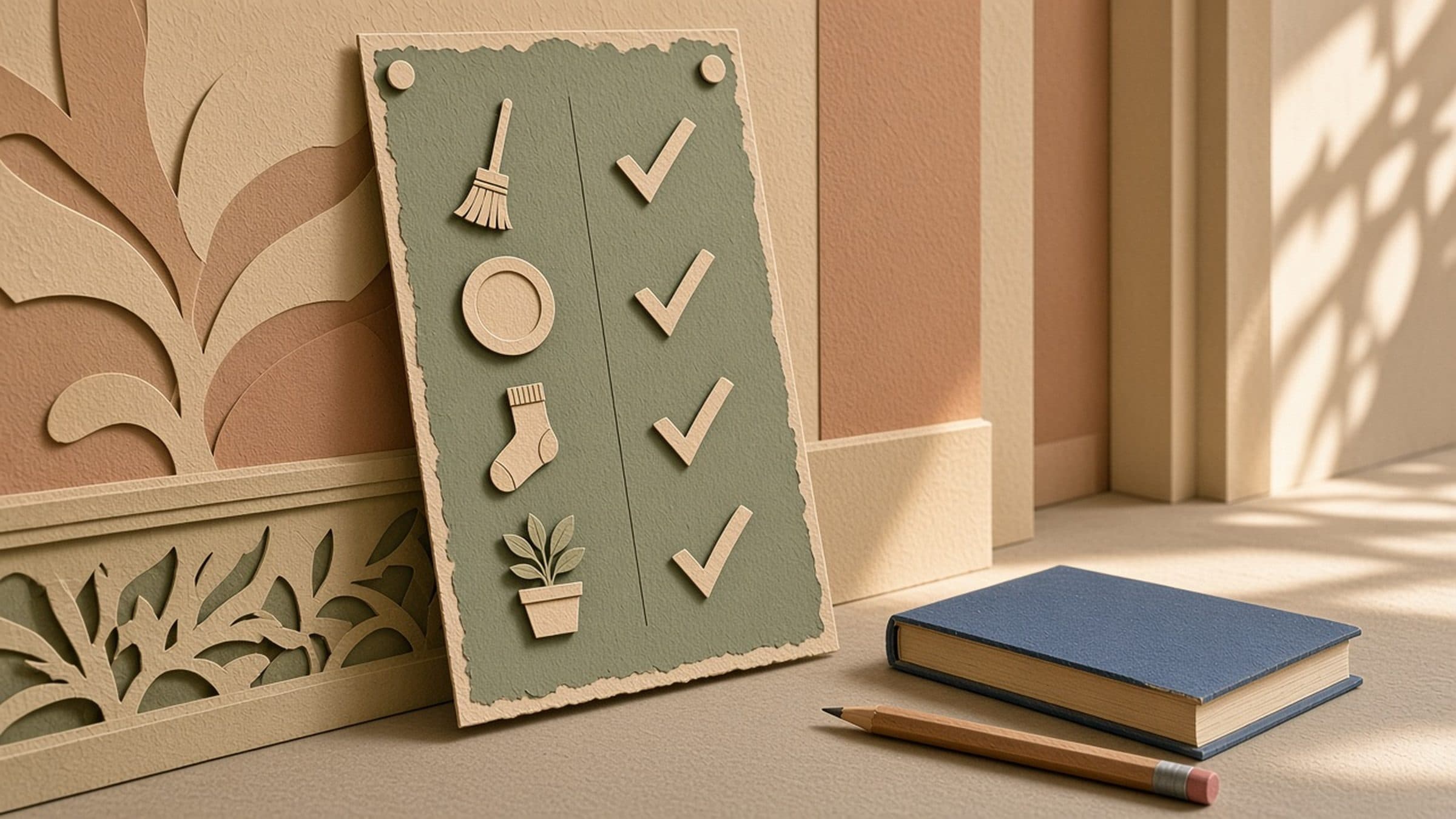
Fair chores for siblings also reduce scorekeeping when the chart is visible and age-adjusted. Kids who share a room need extra clarity on personal vs shared zones; kids sharing a bedroom covers that setup.
When rivalry needs more than coaching
Call your child's doctor or a counselor if fights include frequent injury, one child is always the target, sleep or school falls apart for weeks, or a child talks about wanting to disappear. Rivalry that looks like bullying is not a "kids will be kids" shrug.
A new baby can intensify jealousy. If the loop started after a newborn arrived, the jealous of the new baby guide walks through that specific shift. Becoming a big sibling is its own rehearsal; see becoming a big sibling.
Where a personalized story fits
A short siblings story is not therapy. It is rehearsal. When the same fight keeps looping—sharing a favorite toy, taking turns with a parent, inviting a younger sibling into play—a book with your children's names and faces can walk the fair turn before the next meltdown. Keep the plot one skill wide. Read it when everyone is calm, not mid-fight.
Browse the siblings pillar for the sample and create path, see a name-free example siblings book, or shop a personalized big brother book.
Start a siblings story when you want that rehearsal on the shelf. Pair it with the house rules above so the book and the real day say the same thing.
Quick checklist for tonight
- Pick one rivalry loop you will coach the same way every time.
- Put a timer where both kids can see it.
- Schedule ten quiet minutes with each child this week that are not about the fight.
- Skip comparing them in front of them.
- Save the story read for a calm window, not the heat of the moment.
Sibling rivalry will still show up. What changes is whether your kids have a practiced next step—and whether you stay out of the scoreboard seat.