Story ideas
How do you help a child adjust to a type 1 diabetes diagnosis?
How to help a child adjust to type 1 diabetes routines with honest preparation, age-appropriate participation, and guidance from their diabetes team.

The short answer
Follow the diabetes team's plan and explain each routine in age-appropriate terms without minimizing how demanding it can feel. Give the child only the responsibilities their team recommends, name which adults help, and plan for school and activities. A personalized story can preview the child's own routine and questions, but it cannot teach insulin dosing or promise that every activity will be unchanged.
Key takeaways
- A new diagnosis brings a lot for the whole family: numbers, carbs, insulin, highs and lows.
- Kids may wonder whether they can still do all the things they love. They can.
- Make the daily care feel like a normal, manageable part of a big life.
- A story can preview the child's own routine without teaching medical decisions.
How do you help a child adjust to a type 1 diabetes diagnosis?
Explain the daily routines in matter-of-fact, age-appropriate language without pretending they are always easy. After a new diagnosis there is a lot to learn, and a child may wonder how school, play, sports, food, and sleepovers will work. Their diabetes team can help the family make an individualized plan and decide which responsibilities belong to the child and which stay with adults.
A new diagnosis can make a child feel singled out or limited. Reframing the routines as simply part of how their body works changes that.
Why does a story work when it all feels overwhelming?
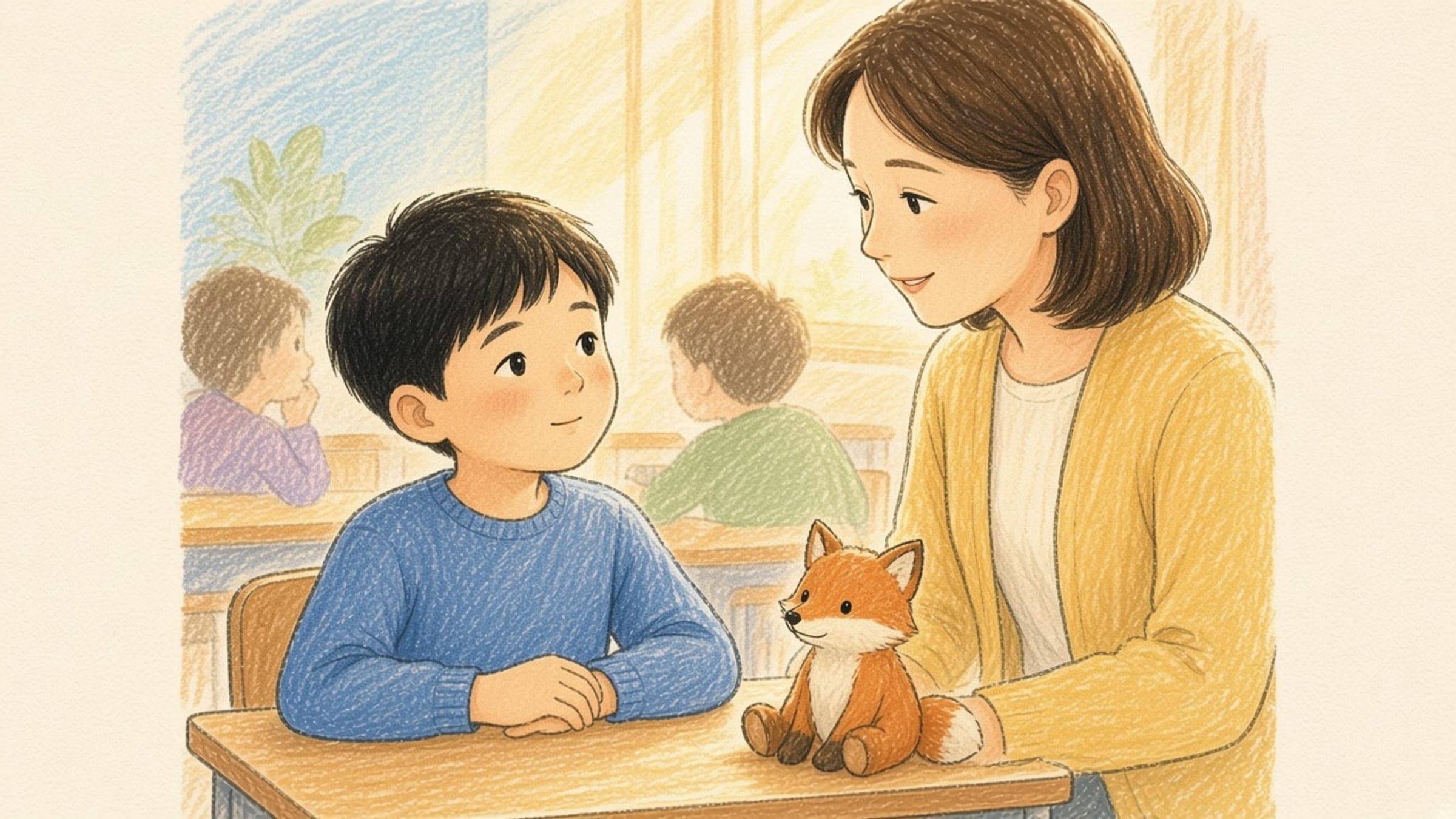
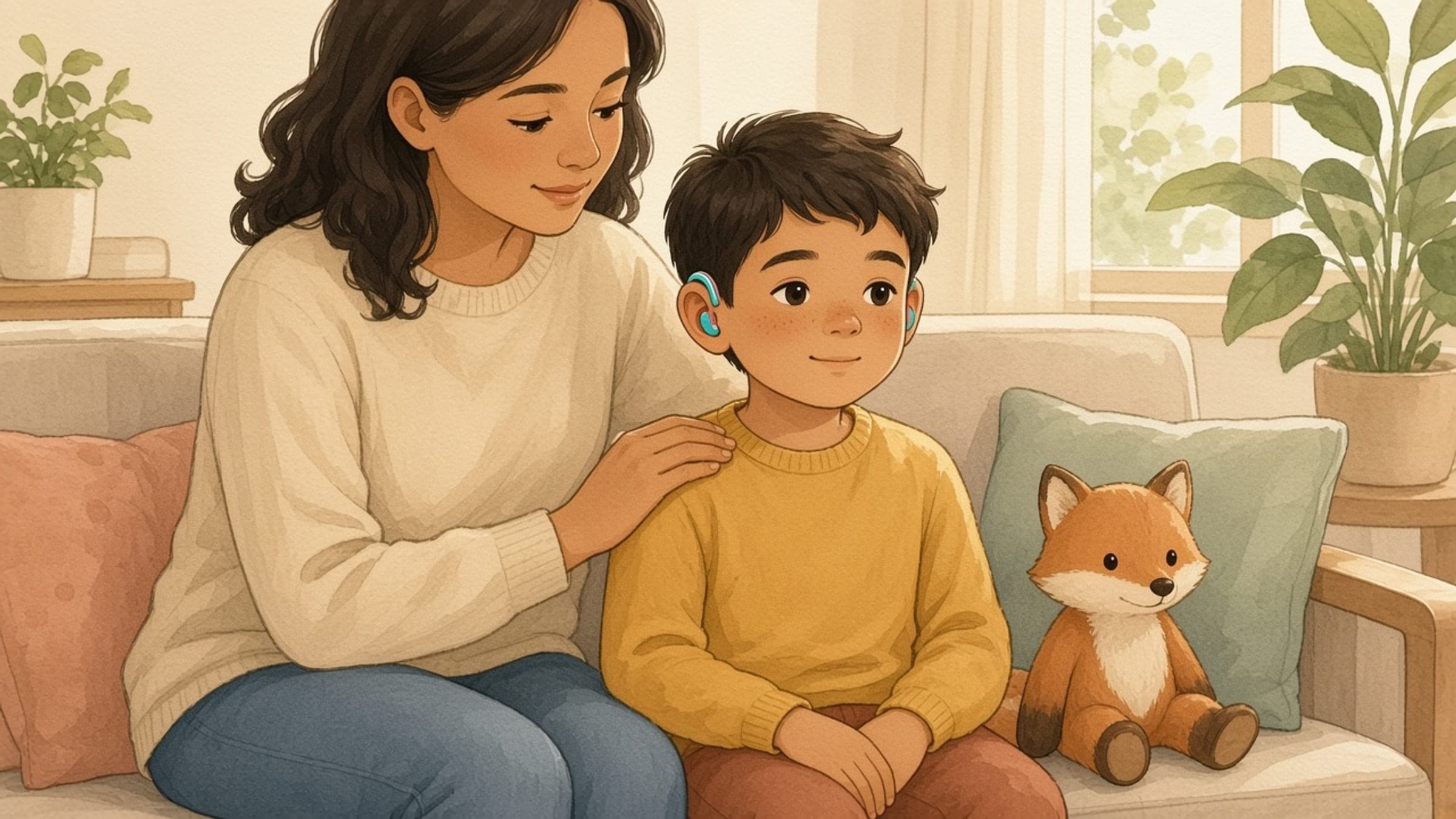
A story reframes the routines the way we think about glasses or a bike helmet — just part of how you take care of yourself. When a child watches a hero check their numbers and then head off to play, sleep over, and celebrate, diabetes stops feeling like a wall and starts feeling like a manageable part of a big life. Center the story on your child's name and face and the strength becomes theirs.
What does a good type 1 diabetes story look like?
The names and characters are invented for this example. In a real personalized book, the hero is your own child, and the routines can match your care plan.
1. A hero with something big to learn
Grace found out she has type 1 diabetes, which means her body needs help managing its sugar, so she and her family check her numbers and give her insulin. There was a lot of new stuff to learn, and Grace wondered if things would ever feel normal again.
2. A worry she can name
Would she still get to play soccer, go to birthday parties, have sleepovers? The checks and routines felt like a lot, and Grace worried that diabetes might stop her from doing the things she loved.
3. A familiar point of view
One evening her dad read her a new book with a girl on the cover who had Grace's curly hair, a small monitor on her arm, and Grace's own name across the top. In the story, Grace had type 1 too. Her grown-ups and diabetes team handled the medical decisions, while Grace practiced the age-appropriate parts of her own plan and learned whom to ask for help at school, soccer, parties, and sleepovers.
4. She tries, and feels proud
Story-Grace did her routine and then scored a goal at soccer, and diabetes didn't stop her from anything. Real Grace wanted to feel that strong. She learned her routine until it felt normal, a quick check, then on with her day. She went to a birthday party, handled her numbers with her mom's help, and had a blast. "I did my check and then I did everything else," she said. Diabetes was part of her life, not the boss of it.
5. She won't stop asking for the book
Grace returned to the book when she wanted to review the plan or find words for a question. Some days the routines felt ordinary and other days they felt hard. The story did not make the medical choices for her; it reminded her which adults were on her team and that every feeling about the routine was allowed.
How can you use a read-aloud plan for managing type 1 diabetes?
- Keep the daily routines calm and matter-of-fact, part of the day rather than a big deal.
- Emphasize all the things your child can still do.
- Connect with other families and kids living with type 1 so your child feels less alone.
- Follow your diabetes care team's plan closely, and lean on them for guidance and support.
Can a child with type 1 do normal kid things?
Yes — kids with type 1 diabetes play sports, go to sleepovers, and do the things they love, with the right routines and support in place. The American Academy of Pediatrics describes management as a combination of blood-sugar monitoring, insulin, healthy eating, and activity, coordinated by a multidisciplinary diabetes care team alongside your pediatrician, who can help you plan for activities and events (Diabetes in Children).
What does outside guidance add for managing type 1 diabetes?
NIDDK explains that people with type 1 diabetes need insulin every day and should follow an individualized diabetes care plan. A story may make routines and equipment familiar, but dosing, food, activity, and emergency instructions must come from the child's diabetes team (Type 1 Diabetes).
Keep reading: type 1 is one of several things kids learn to manage with confidence — see how this approach helps a child living with a food allergy.
More related guidance:
- Starting Speech Therapy? A Story to Preview the First Sessions
- Staying Overnight in the Hospital? A Story to Preview the Night
- Too Much Noise or Sensory Overload? A Story to Rehearse Accommodations
- Understanding Autism: A Story That Uses the Child's Own Language
- Personalized Story Ideas Hidden in Everyday Family Moments