Meaningful gifts
When do toddlers learn colors?
When do toddlers learn colors? Typical ages for matching vs naming, why it takes time, playful ways to teach colors, and when to think about color blindness.

The short answer
Toddlers usually match and sort colors before they can name them. Many children name a few colors between ages 2 and 3 and know the basic colors by about 4. Teach one color at a time through play, describe colors in everyday talk, and ask your pediatrician if you notice consistent confusion between certain colors.
Toddlers match and sort colors before they can name them. Many children name a few colors between ages 2 and 3 and know the basic colors around age 4. Teach colors through play and everyday talk rather than quizzing, and focus on one color at a time.
Key takeaways
- Matching comes before naming; both count as progress.
- Use color as a describing word: "the red cup," not "what color is this?"
- Introduce one new color at a time, starting with very different ones.
- Constant mix-ups of red and green can be a reason to ask about color vision.
Why it takes a while
Color is abstract. A ball is a ball whether it's red or blue, so children must learn that one word describes a quality shared by many different objects. Toddlers also hear color words less often than names for things. Many 2-year-olds use color words before they understand them, calling everything "blue" for a few weeks. That's a normal stage.
Matching, sorting, naming
Matching. Your child puts a red block with another red block. This shows they see the difference.
Sorting. They put all the red things in one bowl and the blue things in another.
Pointing. You say "Show me the yellow one," and they point correctly.
Naming. They say "yellow" on their own.
Each step usually comes before the next. If your child can sort but not name, they're on track.
Ways to teach colors
Talk about color constantly. Describe, don't test. "You picked the green shirt." "Let's find the orange crayon." Children hear the word attached to the object again and again without pressure.
Start with contrast. Begin with two colors that look very different, such as red and blue. Add yellow next, then green. Purple and orange often come later, and brown, gray and pink vary.
One color week. Pick a color and notice it everywhere for a few days: red apples, red cars, a red door. Then add a second.
Sort real things. Socks from the laundry, blocks, crayons, pom-poms, snack bowls. Muffin tins with a colored paper circle in each cup make an easy sorting tray.
Color hunts. Walk through the house or the yard looking for "something blue." Take turns.
Mix paint. Let your child mix blue and yellow and see green appear. Bags of paint taped shut make a mess-free version.
Read and sing. Books about colors and songs naming them give repeated, predictable practice.
Things to skip
Constant quizzing ("What color? What color?") can make a toddler shut down. Avoid correcting harshly. If your child says "blue" for a green truck, just say "That's a green truck," and move on.
Color blindness
The National Eye Institute explains that the most common form of color blindness, red-green, is inherited and is much more common in boys, affecting up to about 1 in 12 men of Northern European descent. Young children rarely complain about it, because they don't know they see differently. Signs include using the wrong color words for red and green long after other colors are solid, or coloring leaves brown or red regularly. If you notice this, mention it to your pediatrician. Simple color vision screening can be done in childhood, and knowing early helps teachers adjust color-coded lessons.
Beyond the basics
Once the basic colors are solid, play with shades: light blue and dark blue, the color of the sky at different times. Ask your child for their favorite color, and why. Pointing out colors in nature, art and food keeps the words growing.
When to ask for advice
Talk with your pediatrician if your child doesn't seem interested in sorting or matching anything by age 3, if speech in general seems behind, or if you suspect a vision problem. The CDC's milestone checklists are a handy way to note what your child is doing before a visit.
Colors in other languages
If your family speaks two languages, teach color words in both. Children sort out which word goes with which language over time.
Toys and books worth having
You don't need special products. Stacking cups, wooden blocks in primary shades, a box of thick crayons, and a few picture books cover most of it. Cardboard paint-sample strips from a hardware store make a free sorting game with dozens of shades.
A note on gendered colors
Children often pick up ideas like "pink is for girls" from the world around them. Offer every color to every child and let favorites come and change freely.
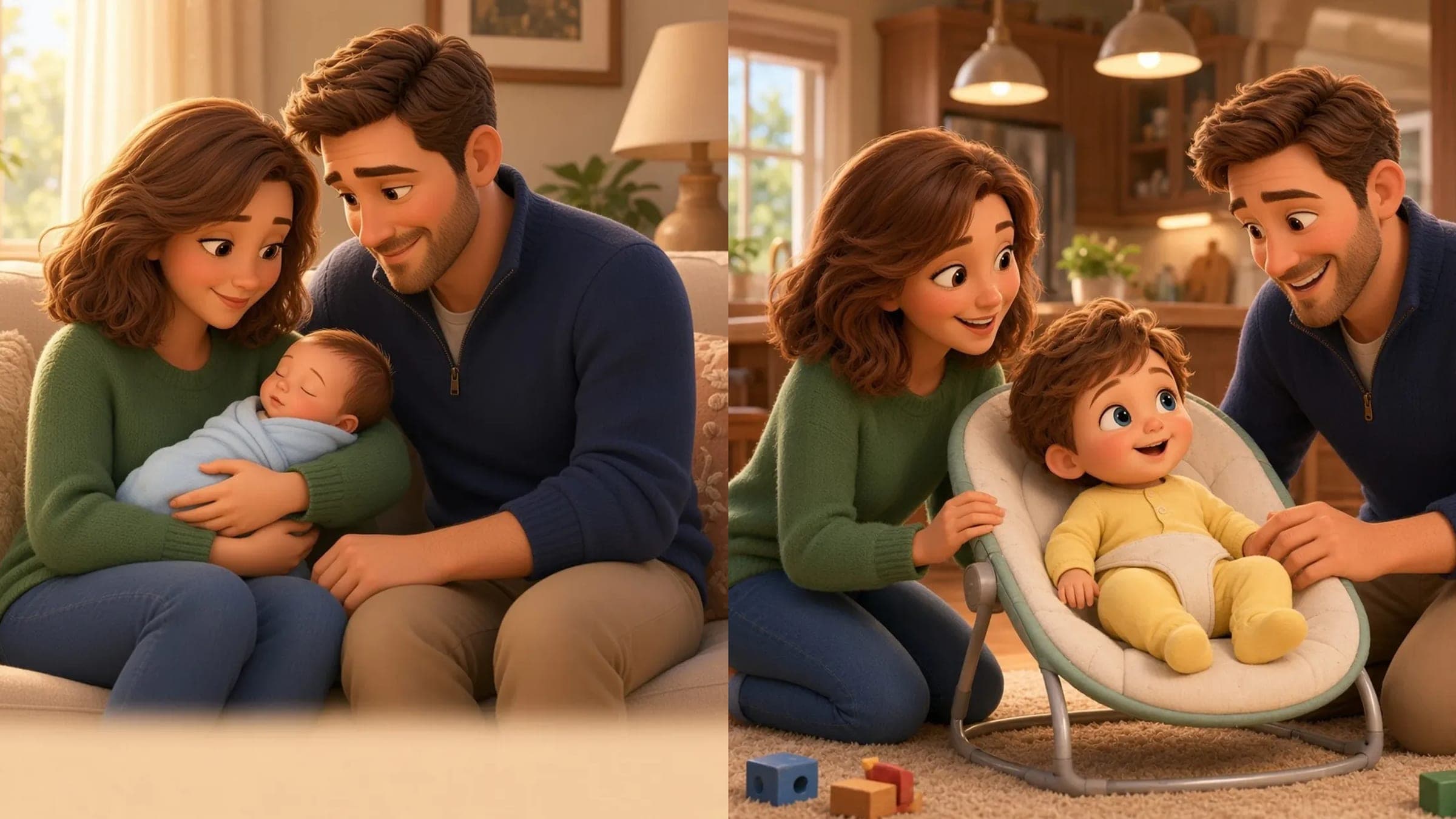
A first favorite color is the kind of detail families like to remember. The milestones book can fold the firsts you choose, for a child about 1 to 5, into a printed story after you approve a proof. Peek at one we made, or see it as a gift.
Keep going:
Sources
- Color Blindness, National Eye Institute, accessed November 3, 2026
- CDC's Developmental Milestones, Centers for Disease Control and Prevention, accessed November 3, 2026